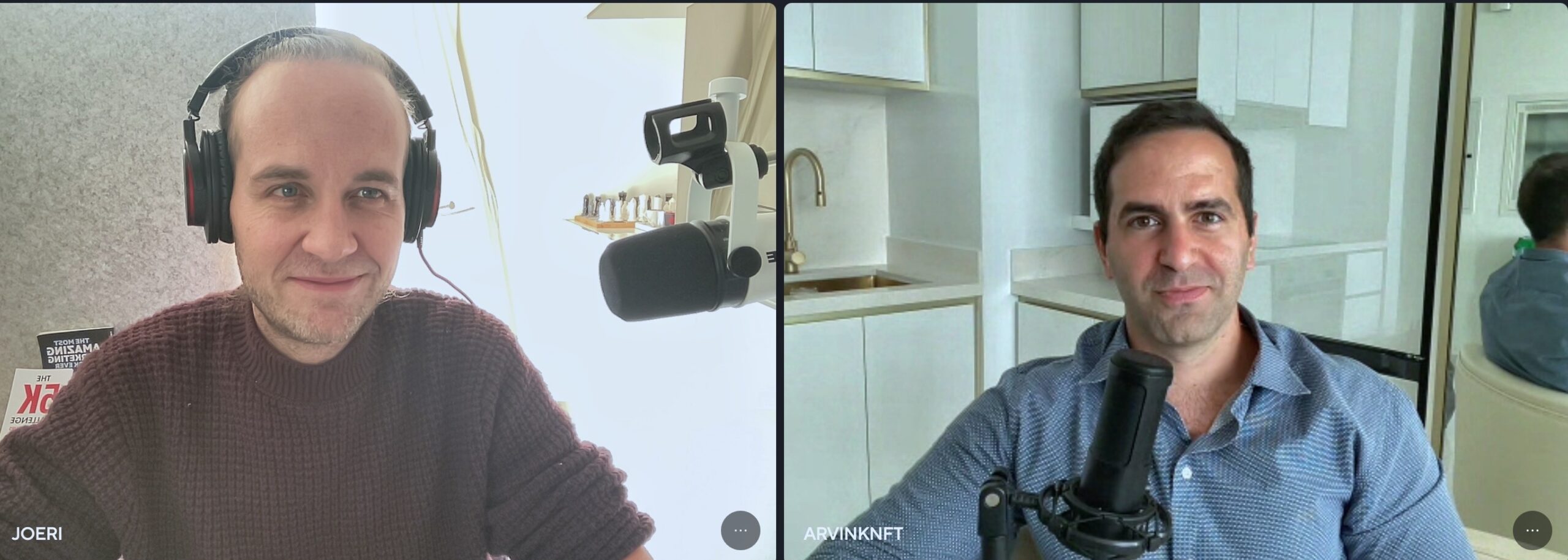

I share my edited webinar keynote for the More Agencies network on why AI is collapsing marketing differentiation and why trust becomes the real moat for brands and agencies. I lay out three shifts redefining modern marketing leadership and the reconstructed CMO role, then end with practical questions you can use to pressure-test your strategy
• AI commoditising competence and making sameness easier
• Trust replacing attention as the metric that drives premium pricing, resilience, and referrals
• A trust ROI calculator using NPS, retention, referral velocity, pricing power, and crisis recovery speed
• Moving from content volume to a defensible point of view people recognise
• Turning audiences into communities through participation and repeated meaningful interactions
• Tool adoption as a leadership test that amplifies weak strategy and generic positioning
• Four practical prompts on AI visibility, point of view, trust signals, and what your team celebrates
The Future CMO: From Cairo to TEDx
AI in marketing has changed the game, but not in the way most teams think. The real shock is not automation or faster content creation, it is the collapse of differentiation. When everyone has access to the same large language models, prompts, templates, and “best practice” playbooks, competence becomes common and outputs start to look identical. That is why the future CMO is not the person who uses AI the most, but the marketing leader who understands what AI cannot replace. In this Web3 CMO Stories keynote edit, the focus shifts from tools to strategy, from volume to meaning, and from performance theatre to customer value that can be felt and verified.
A core theme is trust as the new moat in brand strategy. Attention still matters, but it is no longer the hard part; the hard part is what happens after someone sees you. Do they believe you, stay with you, refer you, and pay a premium? Trust turns into business outcomes: pricing power, faster crisis recovery, higher customer lifetime value, and more referrals. This is also where marketing leadership often misses the point by over-optimising reach, clicks, and engagement while under-measuring belief and credibility. Joeri Billast argues that sameness is the enemy of trust, and AI makes sameness easier unless the CMO rebuilds the function around accountability and problem management.
To make trust measurable, the episode introduces a practical trust ROI approach that connects brand credibility to executive dashboards. The method maps trust signals across customer touchpoints, then measures trust through NPS, retention, and referral velocity. It also compares pricing power against competitors and tracks recovery speed after reputation incidents, tying those indicators back to revenue in CFO-friendly language. This is a shift from vague brand talk to measurable trust metrics. For agencies and in-house teams, the point is clear: clients will not pay premium fees for output that AI can generate, but they will pay for clarity, judgment, and risk reduction.
The second big shift is from content volume to a defensible point of view. Publishing more blogs, posts, videos, and newsletters is not a strategy when content is infinite. What cuts through is a specific position that names what is broken, is backed by experience or data, and is repeatable across channels. A simple test: if a competitor could swap their logo onto your content and it still fits, you are producing competent noise. A real point of view attracts not just an audience but a community, where participation, belonging, and contribution compound trust over time. That is why community building becomes part of modern marketing leadership.
Finally, Joeri reframes AI adoption as a leadership test. Tools do not make you a better CMO; they expose whether your strategy, positioning, and trust foundation are strong. Weak strategy scales badly, generic positioning becomes more generic, and lack of trust stays unfixed. The reconstructed CMO role becomes closer to a chief value officer and trust architect, with practical questions that guide action: is your brand citable by AI search tools, do you have a defensible point of view, can a stranger verify trust signals in 30 seconds, and are you optimising for trust or attention. When content becomes infinite, trust becomes the filter.
Chapter Markers
0:00 Why The CMO Role Is Shifting
1:23 Cairo, Kotler, And A Wake Up Call
6:49 AI Commoditizes Competence And Craft
11:57 Shift One From Attention To Trust
16:36 Making Trust Measurable With ROI
18:56 Shift Two From Volume To Point Of View
23:17 Shift Three From Tools To Leadership
26:14 Four Questions And The Closing Ask