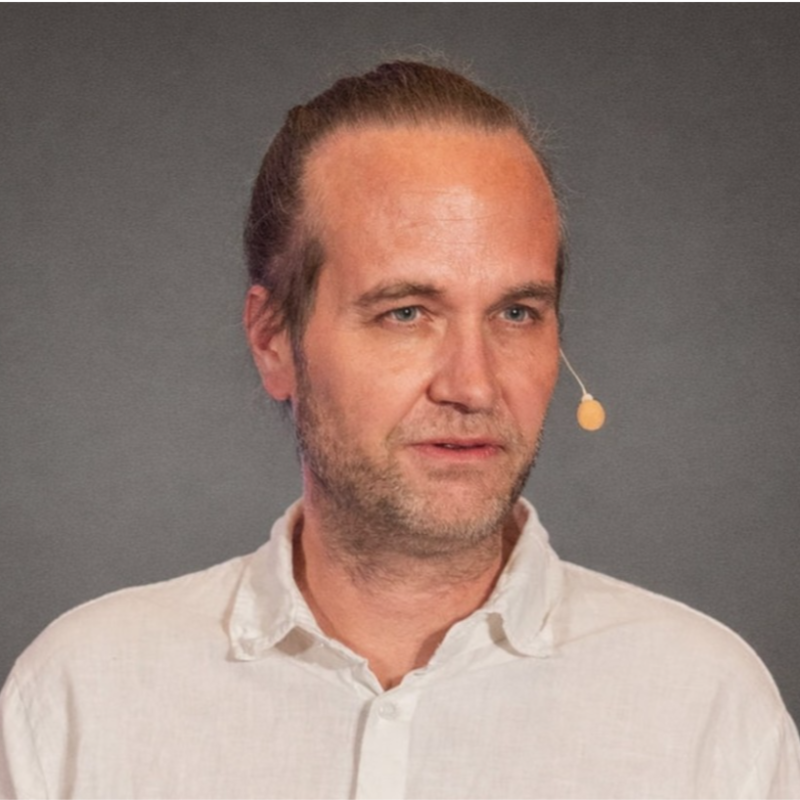
Stephany Zoo, crypto native GTM strategist and Head of Ecosystem at Caladan, shares insights from her global experience working across four continents in the cryptocurrency space since 2014. She examines how cultural contexts influence adoption patterns and the challenges that crypto companies encounter when attempting to connect with mainstream audiences.
• Cultural differences significantly impact crypto adoption – Vietnam's 30% adoption rate stems from distrust in traditional financial products • Most crypto projects fail to reach mainstream users because their marketing is "purposefully isolating" with excessive jargon • Crypto marketers often focus on vanity metrics (followers, impressions) instead of conversion metrics that actually drive business • Storytelling is crucial in crypto, but the industry should focus on making technology relatable rather than emphasizing its uniqueness • Successful rebrands require clear messaging consistency across all channels, not just visual changes • Women's representation in crypto leadership positions remains challenging but is essential for product diversity and perspective • Resource constraints in emerging markets force entrepreneurs to be more strategic and focused on their core value proposition • The convergence of Web3 and AI currently lacks substance; true integration will likely come from AI founders adopting crypto technologies
Follow Caladan at @CaladanXYZ on X to learn more about their work.
Why Crypto Marketing Fails to Connect with Mainstream Users
In the ever-evolving landscape of cryptocurrency and blockchain technology, narrative plays a pivotal role in shaping adoption, perception, and ultimately, success. This was one of the key insights shared by Stephany Zoo, a crypto veteran since 2014 and current Head of Ecosystem at Caladan, during her appearance on the Web3 CMO Stories podcast.
Having worked across four continents – North America, Europe, Asia, and Africa – Stephany brings a unique perspective on how cultural contexts influence crypto adoption. She highlighted Vietnam as a fascinating case study, where approximately 30% of the population holds cryptocurrency – an extraordinarily high rate for an emerging market. The explanation lies in the country's financial history and cultural attitudes: Vietnamese citizens harbor deep suspicion toward stocks and traditional financial products, leaving them to primarily choose between gold and crypto for investments. This example underscores how the financial history of a country profoundly shapes not just if people adopt crypto, but why and how they use it.
One of the most compelling observations Stephany made was about the disconnect between crypto projects and mainstream adoption. Despite the industry's growth, very few crypto projects have truly penetrated the mainstream market. Instead, we're seeing more mainstream companies like Robinhood and Stride drawing their existing customers into the crypto space. The reverse path – crypto companies attracting mainstream users – remains challenging, largely because of self-imposed barriers. "The way that crypto companies market themselves is almost purposefully isolating, segregating themselves from mainstream users," Stephany noted, pointing to the excessive jargon and acronyms that permeate crypto communications.
This communication gap is exacerbated by the relative youth of the crypto industry, where many marketers lack experience communicating with audiences outside the crypto bubble. Stephany advocates for a return to marketing fundamentals: proper user segmentation, channel strategy, positioning, and psychographic analysis – disciplines that often get overlooked in favor of "vibe marketing and hype." She emphasizes that successful marketing in crypto isn't fundamentally different from other industries; it's still about deeply understanding your audience and communicating effectively.
The power of storytelling in crypto cannot be overstated. According to Stephany, no industry she's worked in – from social impact to healthcare – places as much importance on narrative as crypto does. However, she observes that the industry "over-indexes on narrative but then under-indexes on the potential of stories as connective tissues." Instead of focusing on crypto's uniqueness and how it differs from traditional systems, Stephany suggests highlighting similarities and real-world applications that make the technology relatable to everyday users.
When advising founders on marketing challenges, Stephany finds that many get distracted by vanity metrics – such as Twitter followers, conference appearances, and impression counts – rather than focusing on what truly drives business: clear positioning, messaging, and conversion metrics. This short-term thinking often leads to unsustainable hype cycles rather than building lasting value and relationships with users.
Drawing from her experience leading award-winning rebrands, Stephany emphasizes that successful rebranding must be rooted in substantive reasons beyond visual aesthetics. Whether it's a company evolving from internal focus to client-facing services (as with Caledon's rebrand from Alpha Lab Capital) or adapting to significant technological shifts, the key is maintaining consistency in core messaging across all channels.
Looking ahead to the convergence of Web3 and AI, Stephany offered a refreshingly candid take: most current integrations lack substance. She believes true integration will come when AI founders incorporate crypto technologies into their solutions, rather than crypto founders merely dabbling in AI. The rapid evolution of AI will likely make crypto seem slow by comparison, with Stephany warning that crypto natives risk becoming "the boomers" left behind if they don't adapt quickly enough.
For those navigating the complex intersection of technology, finance, and culture, Stephany's insights offer valuable guidance on building bridges rather than walls, focusing on fundamentals rather than hype, and telling stories that connect rather than alienate. As crypto continues its journey toward mainstream adoption, these principles will only grow in importance.
Want to see more of my articles in Google? Add webdrie.net as a preferred source.
Fractional CMO and AI Visibility Strategist. Author of The Future CMO, endorsed by Philip Kotler. Host of the Web3 CMO Stories podcast and founder of the Sintra Synergies retreat.
About the author
Joeri Billast
Joeri Billast is a Fractional CMO and AI Visibility Strategist based in Sintra, near Lisbon. He is the author of The Future CMO, endorsed by Philip Kotler, and hosts Web3 CMO Stories. The Library is where he publishes his articles, interviews and briefings.