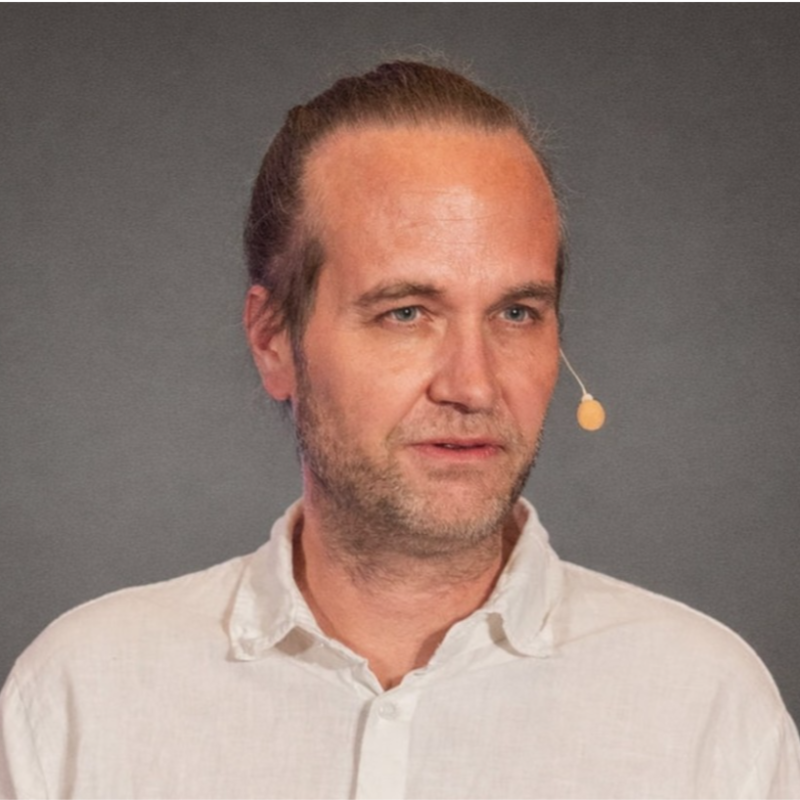
We talk with Butch Takaoka, Chief Financial Analyst at RYO Digital project, about why treating regulation as a “tax” is a mistake and how a compliance-first Web3 strategy can create trust and a real competitive moat. We dig into why mainstream adoption still stalls, what Japan’s culture and regulatory system changes about the playbook, and why the end game is crypto that feels invisible in daily life.
• Butch’s path from traditional finance to Web3 sceptic to believer • Why Japan’s strict regulation can become a barrier to entry for competitors • The real adoption problem as credibility, not just awareness • Consumer protection and transparency as non-negotiable for mainstream users • Japan versus North America and Europe on crypto adoption and culture • Building for everyday people with simplicity, safety and familiar UX • Practical trust levers: proactive regulator engagement and visible infrastructure like crypto ATMs • AI, deepfakes and why proven track record becomes the key differentiator • Why industry collaboration can grow the whole Web3 ecosystem faster • What “mainstream Web3” looks like when nobody calls it Web3 anymore
Why Regulation Could Become Your Biggest Competitive Advantage
Most crypto and Web3 projects treat regulation as a cost and try to outrun it, but this conversation flips that thinking on its head. A compliance-first Web3 strategy can be a real competitive advantage, especially in strict markets like Japan where the FSA and industry bodies push hard on consumer protection. When a company invests early in legal structure, licensing, audits, and transparent operations, it builds a durable “trust moat” that later entrants cannot copy overnight. That approach can feel slower at the start, but it creates long-term defensibility, clearer partnerships with banks and payment rails, and a stronger path to mainstream adoption because ordinary people do not want to be beta testers for financial infrastructure.
A key theme is why digital assets still struggle with adoption even when awareness is rising. The most common explanation is education, but the deeper issue is credibility. Collapsed exchanges, vanished projects, and high-profile failures like FTX taught the public to hesitate, and that hesitation is rational. A practical answer is visible, tangible infrastructure that users can touch, combined with proactive regulatory engagement before a launch, not after. In markets where trust is culturally central, a track record of compliance, accountability, and real-world delivery matters more than white papers and promises. For Web3 marketing, this means the message should not be “look how innovative we are”, but “here is how we keep users safe, and here is proof we do what we say”.
Japan provides an especially useful lens for Web3 adoption because it is simultaneously a major economy and a lagging crypto market. Compared with the US, where crypto advertising and political signalling have made the topic mainstream, Japan remains more risk-averse and slower-moving. Yet that caution can become an advantage once a trusted model emerges, because trends can spread quickly when social proof and safety are established. Building for Japan also forces better product design: simple onboarding, familiar flows, and protection for users across demographics, including an aging population. The product test becomes straightforward and unforgiving: if a non-technical parent can use a wallet or a crypto ATM without anxiety, the user experience is finally ready.
The episode also connects trust in Web3 with trust in the age of AI. As deepfakes and synthetic content improve, “looking real” is no longer evidence of truth, and bad actors gain new leverage. That raises the value of the few things AI cannot easily generate: a proven history, consistent governance, regulated operations, and reputational accountability. For Web3 leaders, this changes the playbook. Innovation must be paired with familiarity, so users get the benefits without needing to understand blockchain mechanics, just as people use credit cards without understanding settlement. The long-term goal is invisible Web3 infrastructure: digital payments, remittance, and commerce that feel normal and safe.
Butch Takaoka
Finally, the discussion highlights collaboration as a growth accelerant in emerging ecosystems. When companies and even competitors share infrastructure, liquidity, standards, and public education, the entire market looks more stable and credible to everyday users. Fragmentation reads as risk; partnerships read as durability. For founders and operators, the long-range opportunity is to build solutions for real needs and demographic change, not to chase short-term cycles. If Web3 wants to cross from early adopters to the mainstream, it has to earn trust through regulation, simplicity, transparency, and real-world utility until the technology disappears into daily life. Social Posts
Regulation isn’t the enemy, it’s the moat. A RYO exec explains why “compliance-first” can beat fast growth in Web3, especially in Japan’s strict market. Want adoption that lasts? Listen and tell me: trust or hype?
People aren’t avoiding crypto because they’re “uninformed”. They’re avoiding it because they don’t trust it. We talk FTX fallout, consumer protection, and why physical infra like crypto ATMs changes minds. Agree? Listen and reply.
Wild idea: Web3 “wins” when nobody calls it Web3 anymore. We dig into invisible tech, simple UX, and what it takes for your parents to use digital assets without fear. What would make you trust it? Listen and share.
Beyond the Podcast: What’s Next for RYO?
While our conversation focused on trust, regulation, and mainstream adoption, RYO continues to expand those ideas into real-world initiatives.
This month, the team is participating in the Maryland Blockchain Association Bootcamp & Conference, where Anthony Diaz and Lani Dizon will speak about topics including consumer adoption, digital wallets, crypto ATM infrastructure, real-world blockchain use cases, and Web3 education.
RYO also recently expanded LIFE Wallet into nine additional countries, making the app available to more users worldwide.
Chapter Markers
0:00 Regulation As A Competitive Edge 0:20 Meet RYO And A TradFi Skeptic 2:55 Why Compliance First Beats Speed 4:10 The Real Barrier Is Credibility 5:40 Consumer Protection As Web3 Matures 6:55 Japan Versus The West On Adoption 9:02 Products For Users Not Speculators 10:20 Trust Building Steps That Work 11:30 AI Deepfakes Make Trust Priceless 13:05 Familiar UX Beats New Tech Jargon 14:32 Collaboration Makes The Market Grow 17:02 Long-Term Shifts Founders Must Watch 19:09 When Web3 Goes Mainstream Invisibly 20:53 Where To Learn More And Closing
Fractional CMO and AI Visibility Strategist. Author of The Future CMO, endorsed by Philip Kotler. Host of the Web3 CMO Stories podcast and founder of the Sintra Synergies retreat.
About the author
Joeri Billast
Joeri Billast is a Fractional CMO and AI Visibility Strategist based in Sintra, near Lisbon. He is the author of The Future CMO, endorsed by Philip Kotler, and hosts Web3 CMO Stories. The Library is where he publishes his articles, interviews and briefings.