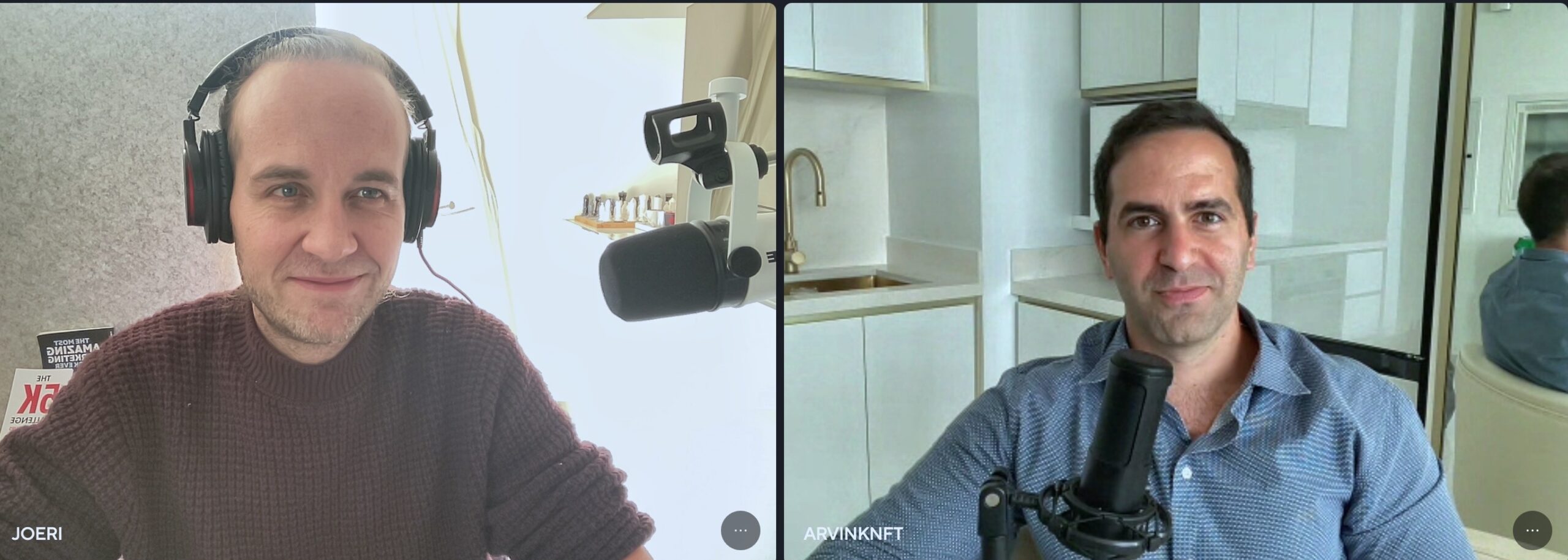
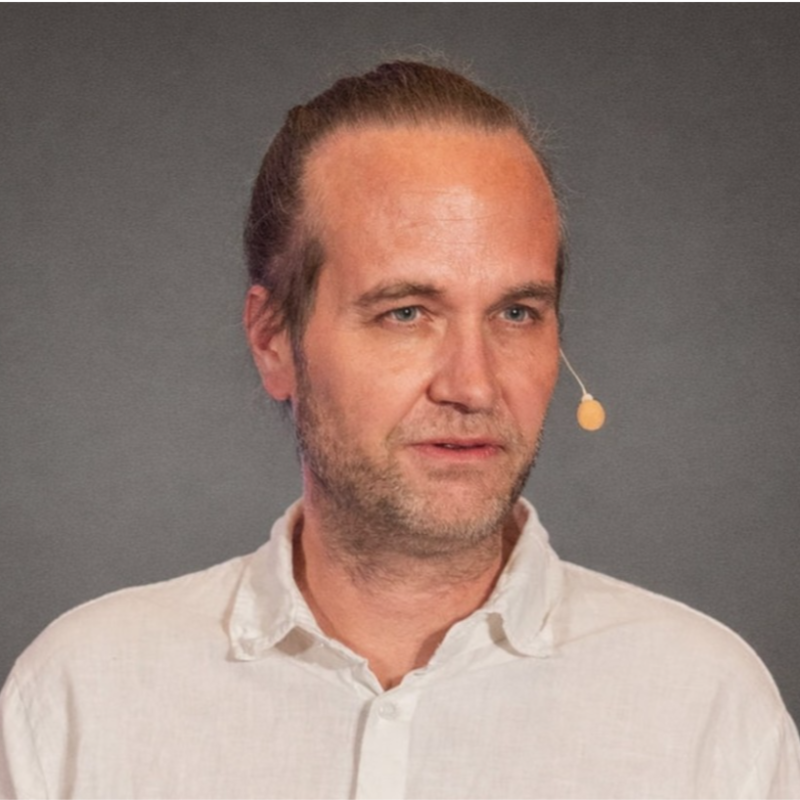
Together with Alex Drew, CEO and founder at Odys Global, we unpack why trust is getting harder to earn online and why relationships still beat tactics when you want durable growth. We talk through aged domains, brand strategy, and how AI search changes authority so you can stop starting from zero.
• Product quality as a baseline not a differentiator • Networking and sales as relationship building • Why Odys chose aged domains over one-time brandable domains • Digital authority signals in Google search and AI search • iGaming lessons on competition volatility and fast rankings • Blue Ocean thinking through R&D and asymmetric returns • Corporate brand versus personal brand and the exit problem • LLM marketing and brand mentions as an emerging signal • How to vet domain history using backlink tools and archive.org • Why mentors events and alliances still matter in an AI world
Trust is the hidden currency behind modern SEO, AI search, and digital growth, and it shows up everywhere in this conversation. Alex Odys argues that a great product is necessary but not sufficient because most online businesses fail on two fundamentals: networking and sales as relationship opening. That lens reframes “marketing” away from tactics and toward long-term credibility, introductions, and momentum. It also explains why personal brand traction often beats corporate brand traction early on, especially when buyers fear scams and need to know who is behind a company. If you want durable customer lifetime value, you build trust signals deliberately, not accidentally, across content, reputation, and community.
Aged domains, often mislabeled as expired domains, are positioned here as a practical shortcut to digital authority when time-to-revenue matters. The core idea is simple: history helps platforms decide you are real. In Google search, that can mean faster indexing and faster rankings because the domain already carries authority and a backlink profile. In competitive niches, it can also mean immediate lead generation while the broader brand catches up. Alex describes why Odys chose aged domains as a business model: customers can buy them repeatedly, use them across projects, and get measurable outcomes in high-intent traffic. The “aged wine” framing matters for marketing too, because language shapes perceived quality and reduces buyer doubt.
Hyper-competitive markets like iGaming reveal the uncomfortable side of SEO competition. Alex explains that in volatile spaces, building a single long-term brand on one main domain can be fragile because aggressive players use aged domains, redirects, migrations, and loopholes to rank quickly, monetise, then move on. That reality pushed Odys toward a done-for-you agency and hybrid partnership model, built for decision makers who will not personally buy domains and build WordPress sites. The broader strategic takeaway is Blue Ocean thinking: invest in research and development, test unusual concepts, accept failure as the cost of discovery, and aim for asymmetric returns before competitors catch up. It is less about copying playbooks and more about pioneering new acquisition angles.
AI search adds a new layer: large language models can treat brand mentions on established sites as a proxy for authority, even when the “link” is not the signal it used to be. Alex notes that LLM marketing is real, but still smaller than Google in high-intent volume, which means you should treat AI visibility as a parallel track, not the only channel. Because history can also be dangerous, due diligence becomes non-negotiable: check backlink profiles in tools like Ahrefs, SEMrush, or Majestic, review past site snapshots in archive.org, and avoid domains with spam, defacing, or abuse. Finally, the episode circles back to the human advantage: offline events, mentors, alliances, and trusted networks create opportunities that algorithms cannot replicate, making community building a serious growth strategy in the AI era. Social Posts A brand new domain can mean 6 to 12 months of waiting for Google to trust you. What if you could start with history, authority, and faster rankings? Listen to the Web3 CMO Stories chat with Alex Odys. Would you try it?
iGaming SEO is a knife fight: one-pagers can rank in 24 hours on powerful aged domains. Alex explains the “churn and birth” reality and what decision makers actually buy. Hit play and tell me, is SEO still fair?
AI makes answers cheap and trust expensive. So what creates real authority now: personal brand, corporate brand, or both? We unpack it with Odys Global’s CEO Alex. Listen, then reply with your strategy. What do you bet on?
Alex Drew, CEO and founder at Odys Global
Chapter Markers
0:00 Trust Shifts Toward Personal Brands 0:55 The Fundamentals That Never Change 3:27 Why Odys Built Around Aged Domains 7:20 Surviving Red Ocean SEO Markets 12:22 Brand As A Trust Asset 19:31 AI Search And Brand Mentions 24:44 Scaling With Events Mentors Alliances 32:33 Where To Find Alex And Odys
Fractional CMO and AI Visibility Strategist. Author of The Future CMO, endorsed by Philip Kotler. Host of the Web3 CMO Stories podcast and founder of the Sintra Synergies retreat.
About the author
Joeri Billast
Joeri Billast is a Fractional CMO and AI Visibility Strategist based in Sintra, near Lisbon. He is the author of The Future CMO, endorsed by Philip Kotler, and hosts Web3 CMO Stories. The Library is where he publishes his articles, interviews and briefings.