
We record live at NFC Summit Lisbon with Lisa Gibbons, CMO at MeWe and challenge the extraction model behind today’s social platforms. We dig into privacy-first social media, creator ownership, and what marketing looks like when you stop relying on tracking and algorithmic feeds.
• Why privacy shifts from niche to mainstream when people feel the cost of being tracked
• How organic community growth works without targeted algorithms
• What gets harder for marketers without third-party data and what becomes more honest
• Why creators need trust, ownership, and protection from sudden shutdowns
• How tipping, wallets, boosting, and NFT group ownership aim to replace vanity metrics
• What to measure instead of likes and followers, focusing on relationships and community participation
• How immersive experiences and real-world gatherings can strengthen online communities
• Where AI helps social platforms and where it risks erasing authentic voice and identity
This episode is sponsored by Metricool. Use the special code JOERI to get 30 days of Metricool Premium for free!
Looking for the structured conversation and key takeaways for CMOs and AI marketing leaders? Read the cleaned and structured reference version here:
What Happens When The Like Button Dies? – MeWe’s Vision for Social Media
Privacy Becomes Mainstream When Trust Pays Creators
The internet runs on an extraction model: platforms collect data, track behavior, sell targeted ads, and decide what people see through opaque algorithms. From the NFC Summit in Lisbon, we talk with Lisa from MeWe about why privacy-first social media is no longer a niche idea for only tech-savvy users. When people realize their data is scraped and fed back as ads, products, and “recommended” beliefs, privacy becomes personal. The real shift happens when users connect privacy to freedom: the ability to speak, build, and belong without being shadowbanned, deplatformed, or shaped by a feed designed to maximize attention rather than wellbeing.
MeWe's approach pushes against algorithmic manipulation by leaning into user control and organic discovery. Instead of targeted feeds, communities grow through intention: you choose interests, you search, you join groups, and you participate. That sounds simple, but it changes everything about community building online. Organic growth rewards clarity and real value, not clickbait. It also reduces the risk of creators building their entire audience on rented land. When a platform can’t be “called” for support and an account can vanish overnight, creators and entrepreneurs carry platform risk. Privacy-first platforms aim to reduce that risk by aligning incentives around community health and creator safety.

Click to play
For marketers, removing tracking and paid targeting makes the job harder and more honest. Without surveillance ads, you can’t lean on lookalike audiences and behavioral profiles, so you return to product-led growth, referrals, and grassroots community marketing. Lisa describes tools that put creators closer to ownership and monetization: tipping content creators, boosting groups, integrated wallets, and minting groups as NFTs for verified ownership and portability. The idea is proof of value over vanity metrics, replacing “likes” with actions that signal real support. In a Web3 social network context, wallets and ownership features matter only if they help people participate, earn, and move their communities without losing what they built.
That shift forces better measurement. If likes, reach, and follower counts are less meaningful, marketers can measure connection quality: genuine engagement inside groups, repeated participation, community-led advocacy, and trust over time. Trust is built through consistent communication and bringing users along when features change, not surprising them with silent algorithm updates. We also talk about immersive digital communities and real-world gatherings influencing each other, and where AI in social platforms helps or harms. AI can save time and support planning, but it can also flatten identity and voice if everyone publishes the same “optimized” language. The practical takeaway is simple and hard: ask questions, truly listen, and build community systems that reward humans instead of extracting from them.
Social Posts
Related Posts:
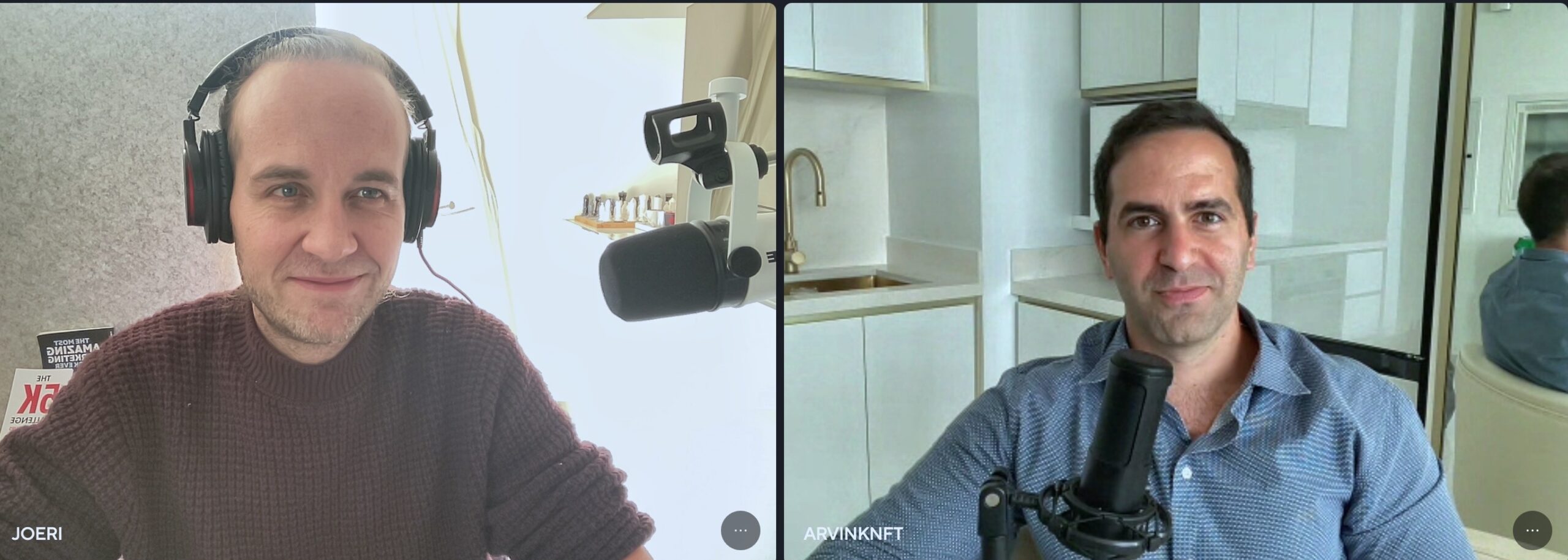


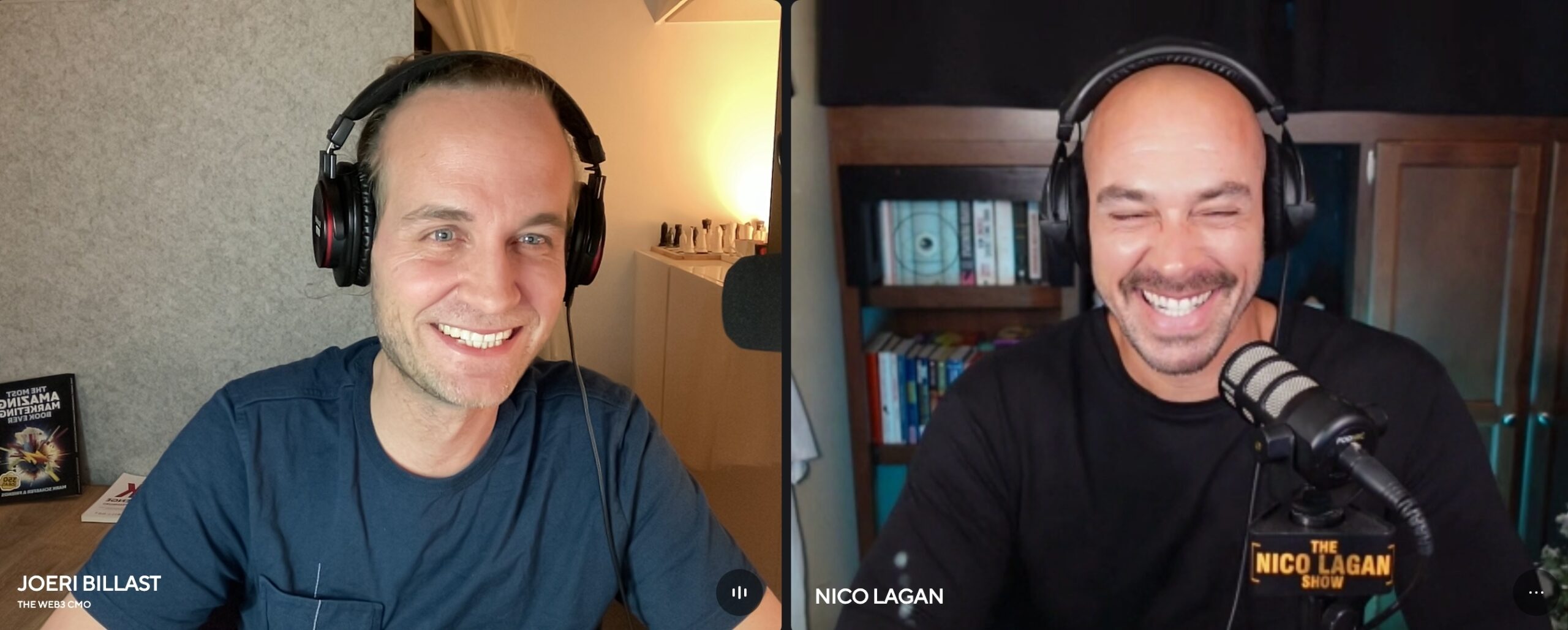


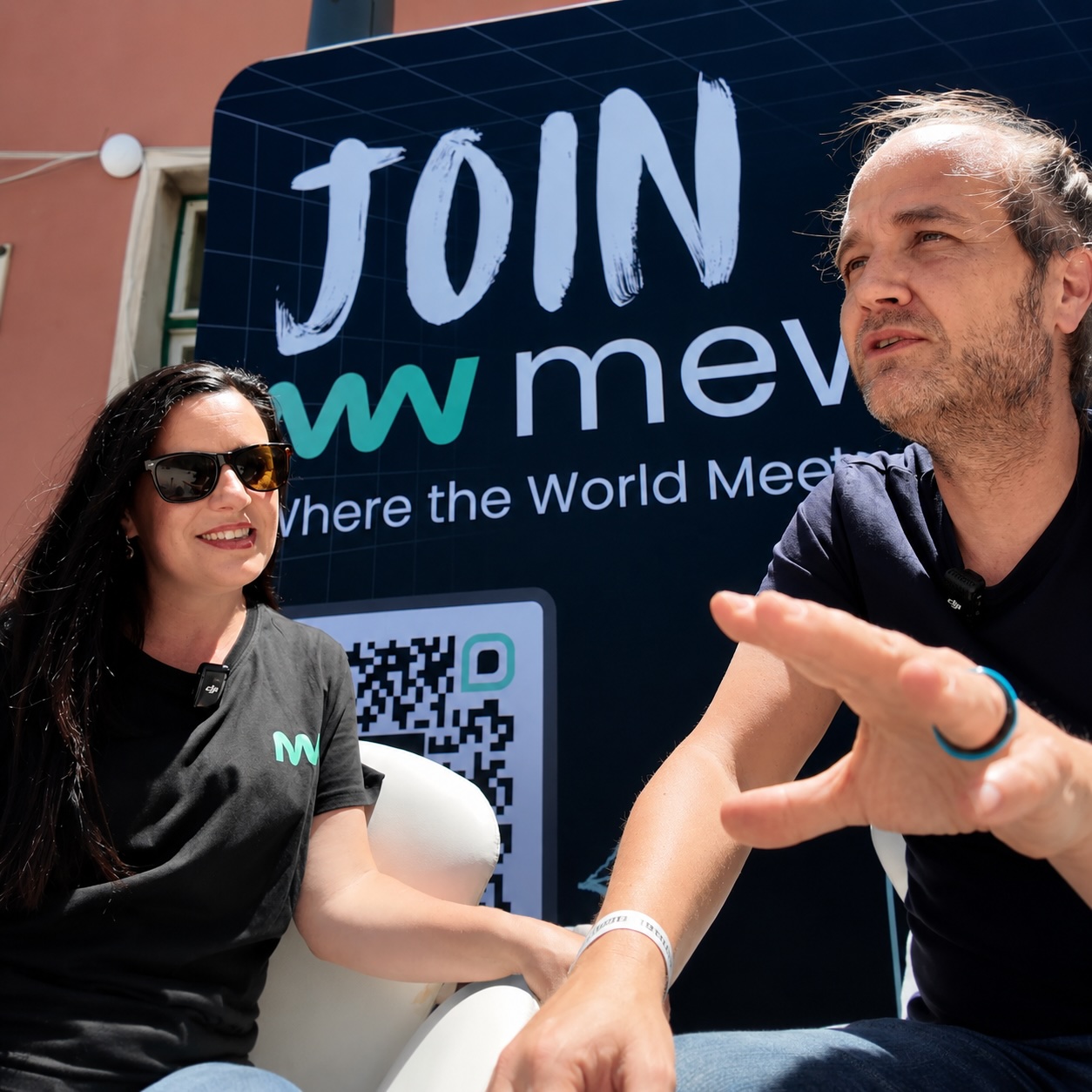 Joeri Billast and Lisa Gibbons at MeWe' s booth at NFC Summit (Lisbon)
Your audience isn’t “yours” if an algorithm can shut it off overnight. We talk privacy-first social, creator ownership, and why organic communities beat targeting. Listen now then tell me: what would you change first?
“Kill the like button” sounds extreme until you hear the alternative: tipping, group ownership, and proof of value. Recorded live at NFC Summit Lisbon. Hit play and reply: are likes still useful to you?
Marketing without tracking data feels impossible, but it can be more human. We dig into trust, listening, and community-led growth. Stream the episode and share your take: what metric do you actually believe?
CHAPTER MARKERS
0:00 Live From NFC Summit Lisbon
1:00 Why Privacy Stops Being Niche
3:40 Organic Communities Without Algorithm Control
4:54 Marketing Without Tracking Data
7:10 Creator Ownership Over Content Value
8:33 Web3 Tools That Replace Vanity Metrics
11:08 Measuring Connection Over Likes
13:26 How Privacy Builds Trust Over Time
14:41 Creators On The Fringe Belong
16:35 When Online Worlds Meet Real Life
18:59 AI Without Losing Your Voice
20:58 Practical Steps And New Feature Rollout
24:07 Share Subscribe And Closing Thanks
Want to see more of my articles in Google? Add webdrie.net as a preferred source.