
AI assistants are shrinking discovery down to a handful of recommendations, and we think that forces CMOs to rethink what “visibility” even means. We connect research from NielsenIQ, Semrush and Typeface to argue that the real win is building trust and differentiation, not just chasing mentions and citations.
• AI recommendations as a growing influence on purchase decisions and discovery
• The shift from competing for attention to competing for inclusion in consideration sets
• Why familiarity and family and friends still drive brand preference
• The Semrush split between brand mentions and AI citations plus why platforms differ
• Why AI visibility is not a single metric and must become a strategic question
• The Typeface “confidence trap” inside teams and the collaboration gap
• How optimizing for machines can reduce content quality and authenticity
• Why stopping traditional SEO creates new dependency and platform risk
• Five CMO decisions: positioning first, real customer questions, layered measurement, credibility beyond owned channels, trust as a strategic objective
If you found this episode valuable, share it with a marketing leader who is trying to navigate the shift from traditional search to AI-driven discovery.
If you like to explore more of my thinking on AI, marketing strategy, and the future of brand trust, you can find my book, The Future CMO, and more resources at joeribillast.com.
Are you already measuring how your brand appears in AI-generated answers? And do you believe AI visibility is becoming a strategic responsibility of the CMO rather than simply an extension of SEO? let me know.
How To Win AI Recommendations Without Losing Trust
AI is rapidly changing how customers discover brands, and the shift is bigger than a new search interface. Instead of scanning pages of results, people now ask ChatGPT, Gemini, or Google AI Overviews for the “best” option and get a tiny shortlist. That creates a brutal new reality for brand discovery and demand generation: if you are not included, you may not be evaluated at all. Research on consumer behavior already shows AI recommendations influencing everyday purchases, which signals a broader trend in AI search and generative AI assisted shopping. The marketing question moves from winning clicks to winning inclusion in the consideration set.
At the same time, AI influence does not erase brand trust. Consumers still drift back to familiar choices and rely heavily on family and friends, which means AI visibility is only the opening move. This is where marketers need to think beyond answer engine optimization as a purely technical checklist. Getting recommended is not the same as being preferred, and being visible is not the same as being believable. The strongest positioning still matters: what you are known for, who you help, what problem you solve better, and what proof supports it. Without that clarity, optimizing for AI can simply amplify confusion at scale.
Visibility itself is also more complex than many dashboards suggest. Studies comparing AI platforms highlight a critical distinction between brand mentions and citations. An assistant may mention five tools, but cite different sources such as publishers, comparison sites, or community discussions. That means your website can be cited without your brand being recommended, or your brand can be mentioned while your site is rarely used as a source. Platform differences across markets add another layer: what ranks in one AI assistant or country may shift in another. Treating AI visibility like a single universal ranking is a strategic mistake, especially for CMOs trying to connect AI marketing to pipeline and revenue.
This complexity creates an organizational trap. Many marketing leaders say they feel prepared for AI driven discovery, yet far fewer report shared tools, shared metrics, and tight collaboration across content, SEO, brand, PR, and measurement. Under pressure, teams may produce content designed for machines that humans never read, sacrificing authenticity and content quality. When everyone uses the same playbook of “top 10” lists and templated FAQs, differentiation collapses and brands become interchangeable. The safer path is to evolve SEO rather than abandon it, invest in credibility beyond your website through third party validation, and measure three layers: discovery, reputation, and business outcomes. The competitive advantage is not gaming AI, it is becoming a brand worth recommending.
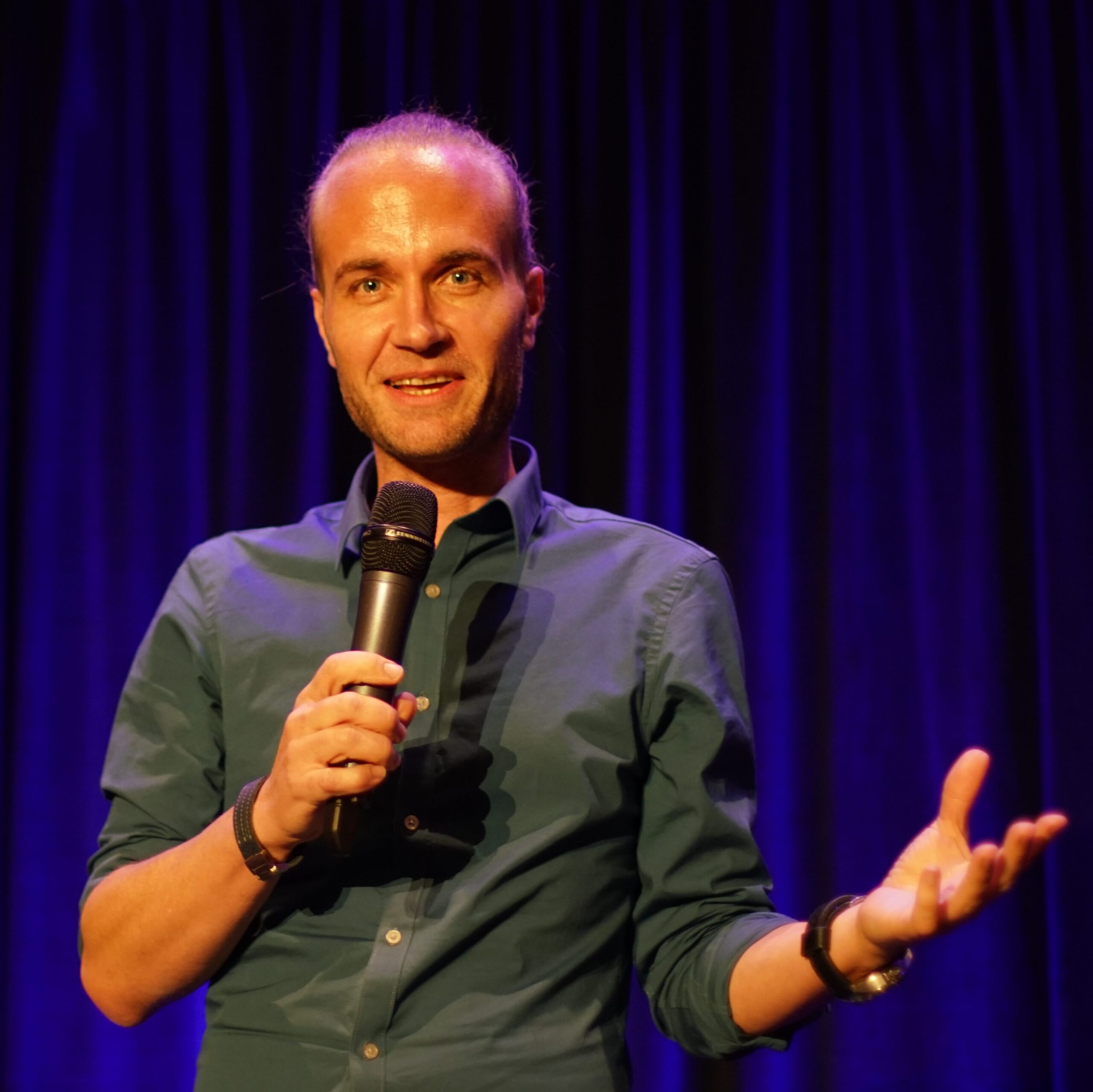
Joeri Billast, on stage in NYC
Research & Sources Mentioned in This Episode
This episode draws on three recent research reports exploring how AI is reshaping brand discovery, visibility, and trust.
Related Posts:






- NielsenIQ — Consumer Outlook: Guide to 2027
How AI recommendations are influencing consumer purchasing decisions. - Semrush — AI Visibility Index 2026 (H2 Edition)
How brand mentions and website citations differ across AI platforms and markets. - Typeface — The AI Visibility Gap (The Typeface Signal Report)
The disconnect between marketing leaders' confidence in AI visibility and their organizations' readiness.
Want to see more of my articles in Google? Add webdrie.net as a preferred source.