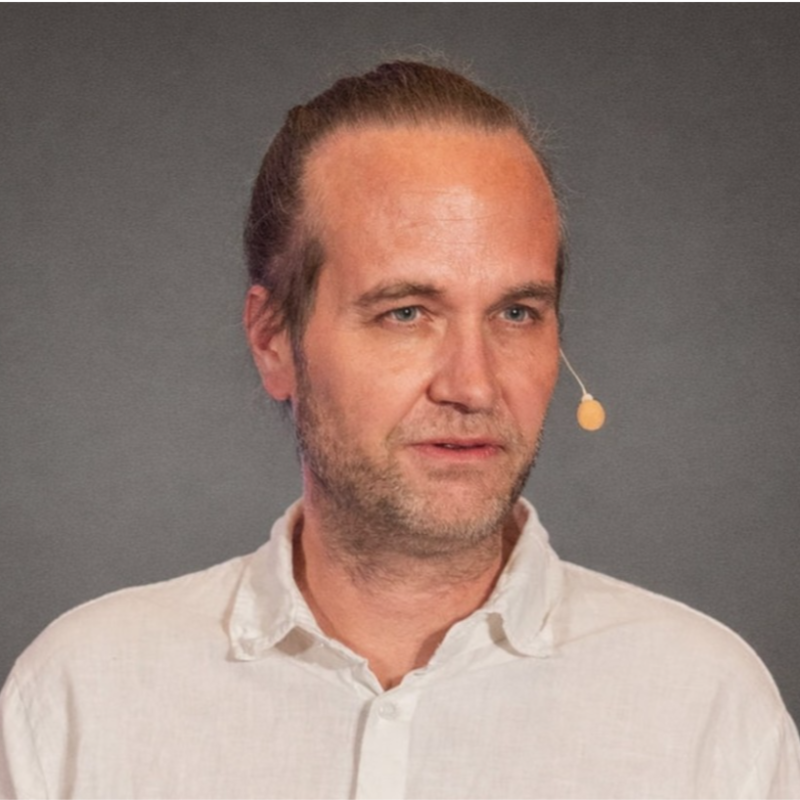

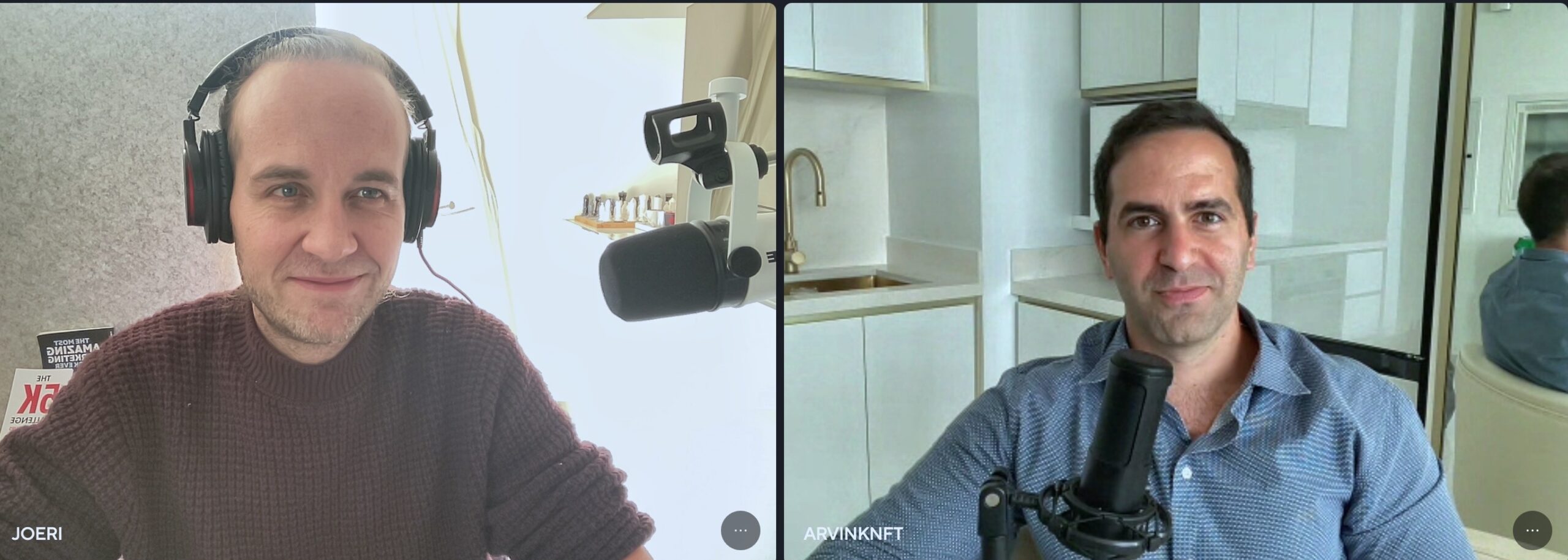
In my conversation with Stephan Bajaio, we challenge the obsession with shiny marketing tactics and argue for a trust-first approach that holds up even as AI and search keep changing. We dig into why authenticity, alignment, and unsexy fundamentals beat chasing LLM visibility trends.
• Shiny object syndrome in modern marketing and why it keeps returning
• Short CMO cycles and constant resets that block long-term progress
• How to assess internal dissonance and build an execution roadmap
• Why LLM visibility is overhyped and too volatile to “own”
• Technical foundations that improve crawlability and data signals
• Writing for humans in an age of generic AI content and decision fatigue
• Authenticity, empathy, and brand stories that build loyalty
• Trust signals and metrics including LTV and loyalty scoring
• Why post-purchase advocacy matters more than funnel thinking
• Analysis paralysis vs real execution and organisational agility
Looking for the structured conversation and key takeaways for CMOs and AI marketing leaders? Read the cleaned and structured reference version here:
Stephan Bajaio on SEO, AI Visibility, Trust and the Future of Marketing | Transcript
Why Marketing Leaders Keep Chasing Shiny Objects And How To Fix It
Marketing is entering a noisy phase where AI tools, new “optimization” acronyms, and constant platform shifts tempt leaders to chase novelty. The core argument here is simple: marketing by the latest thing is rarely marketing by what is necessary. Many executives fall into shiny object syndrome, swapping strategy for tactics and mistaking activity for progress. The result shows up in short CMO tenures, frequent site migrations, and endless resets that burn trust and momentum. A smarter path starts with honest introspection: assess what your organisation can actually execute, find internal dissonance between teams, and build a realistic roadmap for resourcing, buy-in, and delivery. Without internal alignment, even the best SEO strategy or AI marketing plan cannot ship consistently, and inconsistent execution is the quiet killer of organic growth.
AI visibility and LLM SEO are the clearest example of this moment’s hype cycle. Treating ChatGPT, Perplexity, Claude, and whatever comes next as a single stable channel is a category mistake, because outputs vary heavily even for identical prompts. Studies cited in the conversation highlight volatility in what gets surfaced and in what order, which makes “owning” LLM rankings far less reliable than many tool vendors imply. On top of that, the user experience of today’s chatbot interface is unlikely to be the final form of AI search, meaning many tactics are built on sand. This is why the California Gold Rush analogy fits: the people selling picks and pans often win while most miners go broke. If you pour budget into chasing a moving target, you risk building a reporting story instead of a durable customer acquisition engine. The more future-proof move is to strengthen the signals and structured data that any engine can ingest: clean information architecture, schema markup, strong technical SEO, crawlability, and clear contextualisation.
The deeper takeaway is that the “O” in SEO matters more than ever: optimise the data, not the engine. You cannot predict the next algorithm or the next AI interface, but you can control how well your brand communicates meaning through content and site structure. And that is only half the job. The other half is writing for humans. AI-generated copy is getting easier to produce, but it often reads as generic, repetitive, and emotionally flat, increasing decision fatigue for real people. In that environment, trust becomes the differentiator. Useful content that solves problems before it sells, empathy that reflects real customer stress, and authenticity that feels like a person rather than a logo all become competitive advantages. Brands that stop trying to be the “cool kid” and instead own their quirks, their stories, and their purpose can cut through the noise, especially with younger audiences who reward purpose-driven organisations.
Measuring trust is harder than measuring clicks, but it is not impossible. The discussion points to lifetime value as a meaningful indicator, even if it is lagging, and to customer lifecycle analytics and loyalty scoring to identify true advocates, especially in B2B marketing. The classic funnel mindset is challenged in favour of an “hourglass” view where the relationship after purchase matters as much as acquisition. Word of mouth, referrals, private groups, and offline conversations are real distribution channels even when they are not fully trackable. Over-indexing on perfect attribution can create analysis paralysis, wasting time that should be spent executing. Marketing is a verb: align the organisation, reduce silos, improve agility, and commit to fundamentals that build credibility. Brands that prove who they are through consistent experience will earn loyalty, and visibility will follow across search engines, AI search, and whatever comes next.

Stephan Bajaio
Chapter Markers
0:00 What Most Executives Still Miss
0:38 Stop Hiding Behind The Brand
Related Posts:





4:56 Why Shiny Tactics Keep Winning
9:55 The LLM Visibility Gold Rush
19:51 Unsexy Fundamentals That Still Work
26:07 Write For Humans Not Machines
Want to see more of my articles in Google? Add webdrie.net as a preferred source.