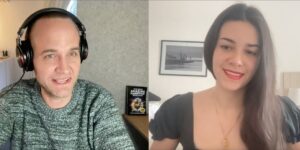

We talk with John Karp, founder of the Non-Fungible Conference, about why NFT art and crypto culture became a real movement and why digital identity now competes with physical identity. We dig into digital ownership, the pull of IRL community, and how NFC keeps reinventing itself while staying rooted in giving artists and builders a place to meet.
• John’s origin story from hackathons to NFTs and digital art
• Why internet-native art feels like the next cultural wave
• Digital provenance and networked collecting as a new model
• The metaverse as everyday digital life and identity
• What ownership fixes in virtual goods and digital collectibles
• Why people still travel for conferences and what IRL accelerates
• What’s new at NFC Summit: year zero, eight events, stablecoins, Kawaii Summit, AI, longevity
• Community-building lessons: give first, integrate side events, build a village feel
Looking for the structured conversation and key takeaways for CMOs and AI marketing leaders? Read the cleaned and structured reference version here:
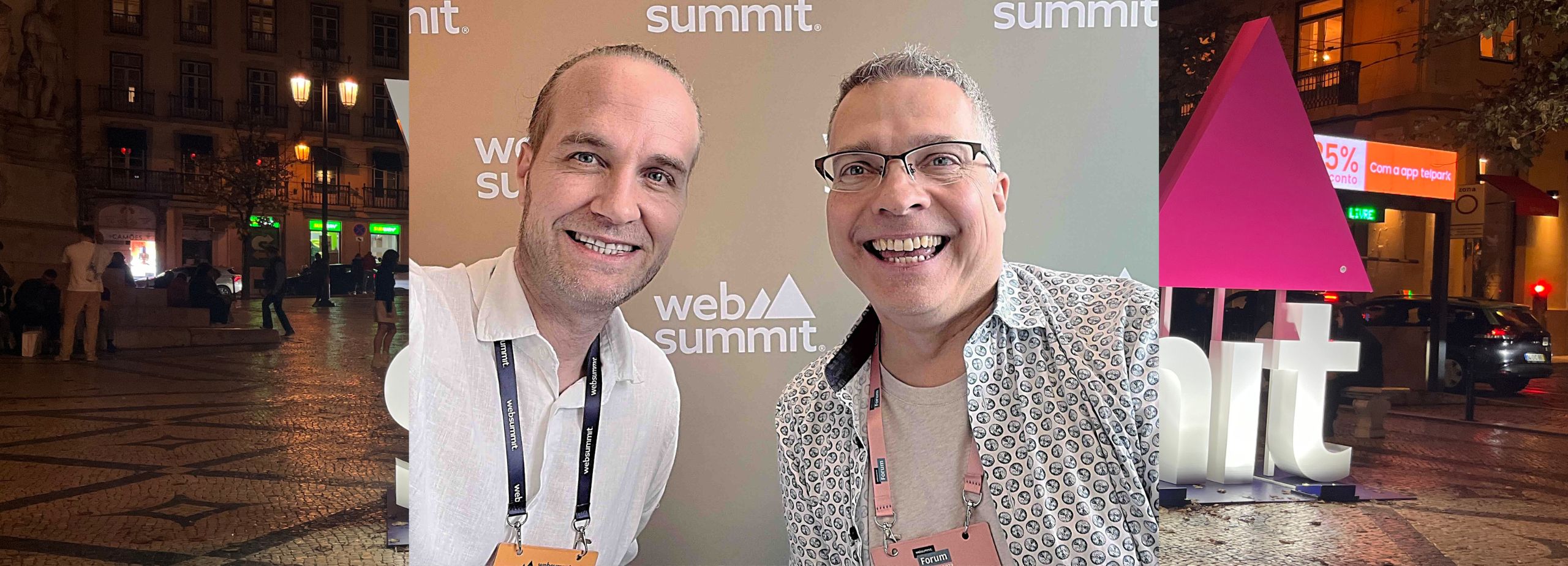
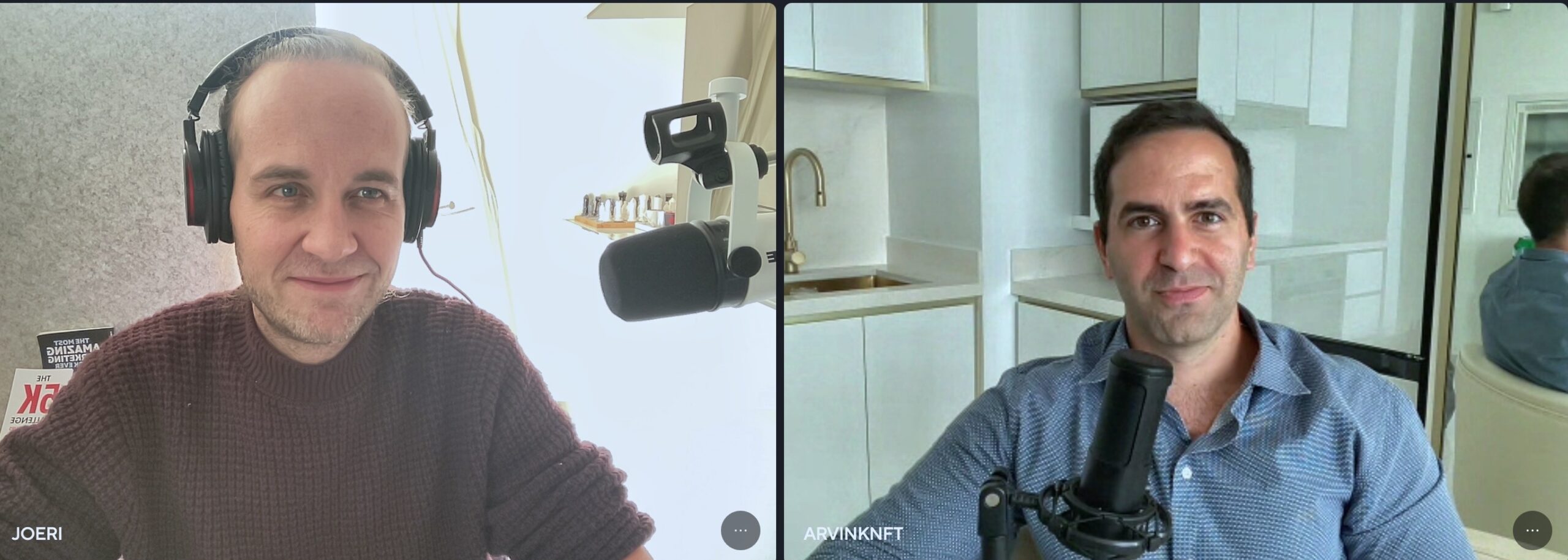
Joeri Billast and John Karp, Organizer NFC Summit
(Only valid for 20 uses)
Why NFT Art Became A Movement Worth Meeting For – With John Karp, Organizer of Non Fungible Conference
Web3 has reached a strange turning point: our digital lives often feel more “real” than our physical ones. In this conversation on Web3 CMO Stories, NFC founder John Karp argues that we already live in a metaverse, even without flashy 3D worlds. Our digital identity travels through social platforms, group chats, podcasts, and video calls, sometimes becoming more visible and influential than our offline self. That framing makes NFT culture easier to understand: collecting is no longer limited to physical objects, and the internet generation is shaping a new digital art movement that speaks in pixels, manga, glitch aesthetics, games, and remixable pop culture.
John’s path starts in event production and hackathons, then shifts during COVID when online gatherings became normal. What changed his mind was not speculation or “financial blockchain” hype, but the creative wave behind NFTs. He connects NFT art to earlier cultural movements like pop art and street art: each era produces a visual language that matches its technology and social mood. NFTs add something new to that history, because blockchain makes provenance native to the medium. You can see who owned a piece, track its story, and instantly connect with other collectors and fans. That network effect turns digital art into a community layer, not just an image file.
The episode also digs into digital ownership as the practical breakthrough. People already spend billions on virtual goods, from Fortnite skins to collectible card apps, yet most buyers cannot freely resell, transfer, or truly control what they purchased. NFTs and onchain assets propose a clearer ownership model for digital collectibles, creator economy monetization, and online communities. Whether you love or hate “JPEG culture,” the underlying shift is that ownership tools are being built for the internet. That matters for brands, Web3 marketing teams, and creators who want direct relationships without traditional gatekeepers.

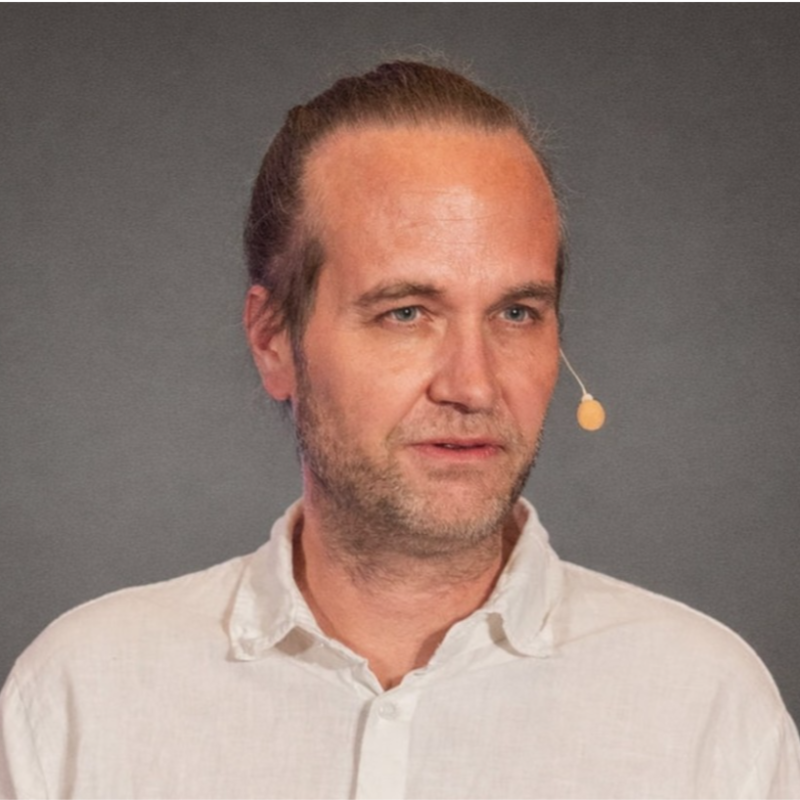
John Karp
So why do real-world conferences still matter when knowledge is everywhere and AI accelerates discovery? John’s answer is that in-person events compress time. A few hours together can exchange more context than weeks of calls, speeding up trust, collaboration, and even self-discovery. He frames NFC Summit in Lisbon as a festival-like experience designed around what you cannot do at home: celebrate culture, meet surprising collaborators, and leave with clearer priorities. The goal is not only business development, but perspective change, the kind that can redirect a career or creative practice.
NFC’s programming reflects that “cross-pollination” philosophy. Alongside the core Non-Fungible Conference and digital artists shaping today’s contemporary scene, the event adds stablecoins and institutional payment rails, AI-focused tracks like an Agent vs Agent hackathon, and educational workshops that teach kids AI art. It also expands into Kawaii Summit, bridging trading card games, Pokémon, plush culture, and Japanese-inspired collector communities. Even Longevity Day appears on the schedule, bringing health and life extension conversations into the same village-like venue. The broader takeaway is an event strategy lesson: communities show up when you give first, create space for participants to contribute, and reinvent the experience every year.
Want to see more of my articles in Google? Add webdrie.net as a preferred source.