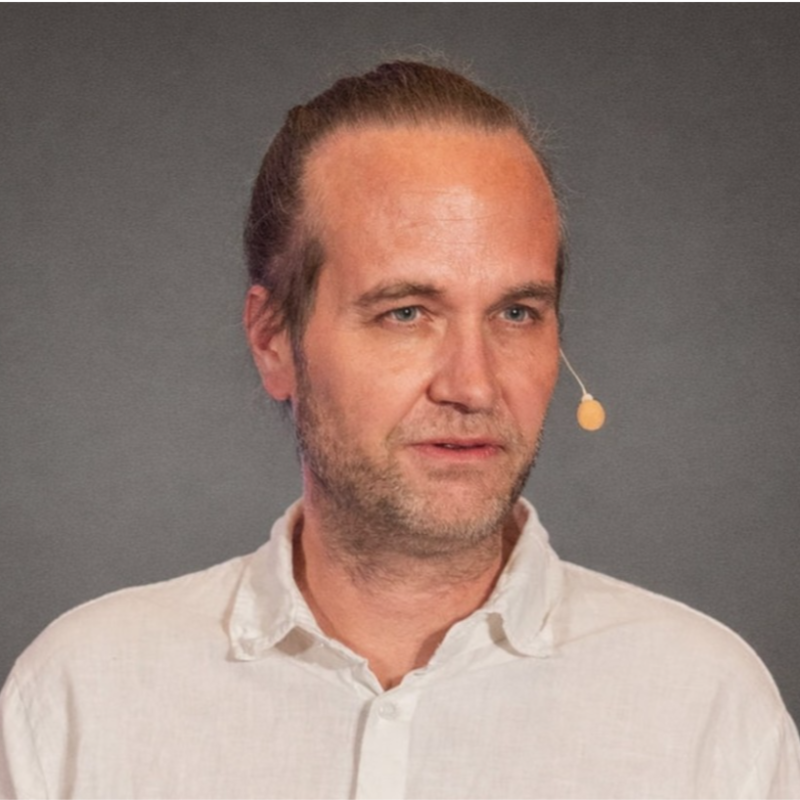

We talk with Nicole Reznic, founder at Mark3t, about why luxury resale fails when platforms treat trust like a branding layer instead of real infrastructure. We break down how community, provenance, and privacy-first governance can make circular luxury markets work at scale.
• Why luxury trust is built through relationships, not slogans
• The “small town” model for online trust and why Markets starts invitation-only in Paris
• How authentication theater shows up when ROI attracts bad actors
• Three trust pillars: integrated services marketplace, blockchain-backed item history, community reputation scoring
• Why community is the linchpin even when AI and blockchain are powerful tools
• The friction vs integrity tradeoff through GDPR, data sovereignty, and careful rollout
• How trust trees discourage gaming by extending consequences to inviters
• What governance looks like across cultures and regulations
• Early signals trust is improving before revenue, pull, word of mouth, repeat engagement
Looking for the structured conversation and key takeaways for CMOs and AI marketing leaders? Read the cleaned and structured reference version here:
Building Real Trust In Luxury Resale Online
Trust In Luxury Resale Must Be Built Like Infrastructure
Luxury resale is booming, but the biggest blocker is not better ads or prettier product pages. Trust in luxury resale is an infrastructure problem. In a boutique, the “institution” earns trust through physical presence, staff, and long-term relationships. Online, the buyer often trusts the brand name but not the seller, the listing, or the invisible chain of custody. That gap shows up as hesitation, endless authentication questions, and stalled circular economy growth. Luxury marketing can create desire, but it cannot replace the foundational signals humans rely on, like repeated interactions, reputation, and accountability.
A key idea is to start with the smallest unit of trust: a community that already has real-world links. Instead of trying to scale globally on day one, an invitation-only model can mirror a “small town” dynamic, where people know each other and consequences are social as well as financial. Beginning with a concentrated network of resellers and vendors in Paris makes trust measurable because relationships and repeat behavior exist. Once the core community behaves well, expansion becomes less about hype and more about extending proven norms into new markets like the GCC, where reputation systems and relationship-driven commerce already matter culturally.

Joeri, Nicole and her team at Web Summit 2025
Luxury resale also suffers from “authentication theater” when high-value goods become investment assets. A Hermès Birkin, a watch, or other collectible luxury items can outperform traditional investments, which attracts bad actors. When money is at stake, polished branding and emotional copy are easy to fake, and a single inspection is not the same as long-term integrity. Real luxury value comes from generational relationships, not one-off transactions. A trust-forward resale market has to reconnect product and relationship by building mechanisms that preserve provenance, encourage responsible behavior, and make shortcuts expensive.
A practical trust infrastructure stacks three layers. First, an integrated marketplace that includes not only buyers and sellers, but also repair, authentication, shipping, insurance, stylists, and specialty services like leather spas and watch repair. Second, item history recorded as verifiable provenance, such as blockchain transaction logs that document purchase, repair, and resale events. Third, community-driven reputational scoring that blends AI with human context, measuring behavior longitudinally rather than rewarding one clever moment. Done well, this supports CRM and loyalty by making repeat positive experiences the path to status.
Designing these systems forces hard tradeoffs between reducing friction and protecting integrity. Data privacy, GDPR compliance, and global data sovereignty shape what can be stored, how long, and where. Governance has to work across cultures and regulations, while still giving users confidence that the platform is not exploiting personal data. Techniques like verifiable digital identity and zero-knowledge proofs can help prove legitimacy without oversharing sensitive details. The end goal is simple: a circular luxury marketplace where trust increases over time, reputation becomes meaningful currency, and the best signal of progress is a pull effect, people talking about it without being paid.
Want to see more of my articles in Google? Add webdrie.net as a preferred source.