
Together with Valentina Diaco, we dig into why marketing fundamentals stay the same even as AI and channels change fast, and why emotion and trust drive the numbers that matter most. We also unpack what “human in the loop” really means and how leaders can create new categories instead of fighting in crowded markets.
• Emotional drivers as the constant across industries like luxury, entertainment and iGaming
• Customer acquisition costs rising and why retention and existing customers change te math
• Why curated events beat transactional networking for meaningful connections
• What attendees reveal about AI adoption stages across operators, affiliates and builders
• Where leaders misread “AI-driven” and fail to ask the right questions
• Human in the loop as strategy, orchestration and a living knowledge base
• AI as a mirror rather than a crystal ball
• The CMO evolving into a Chief Value Officer with P&L and experience ownership
• Brandformance as the bridge between performance marketing and long-term brand value
• Responsible growth in iGaming across regulated and grey markets
• Blue ocean thinking to make competition irrelevant
This episode is sponsored by Metricool. Use the special code JOERI to get 30 days of Metricool Premium for free!
Looking for the structured conversation and key takeaways for CMOs and AI marketing leaders? Read the cleaned and structured reference version here:
AI Is Not a Crystal Ball. It’s a Mirror. Insights from Valentina Diaco on AI, Marketing and Blue Ocean Strategy
What If Your Competitors Did Not Matter
Customer acquisition costs keep rising, and the reflex is often to optimise harder: new targeting, more creative variations, bigger budgets, tighter funnels. On Web3 CMO Stories, Joeri Bilast and Valentina Diaco argue the deeper lever is older than any channel: human psychology. Across luxury, entertainment, telecom, and iGaming marketing, Valentina sees the same pattern in the numbers. Strong brands with a real emotional layer outperform because existing customers spend more and retention multiplies profit. When a 5% retention lift can translate into major profit gains, the core job of modern brand strategy becomes clear: create meaning people want to return to, not just clicks you can buy.
That emotional layer looks different by category, but the mechanism stays consistent. Luxury marketing sells identity. Entertainment sells escape. iGaming sells anticipation, the near miss, the feeling that anything can happen in a fraction of a second. AI marketing does not replace this; it intensifies it. As content production becomes cheaper, credibility becomes harder. The market gets saturated with “good enough” competence, while trust and distinctiveness become the scarce assets. For SEO and discovery, that means your positioning, voice, and promise matter more than publishing volume. For growth, it means customer experience, habit formation, and brand consistency become performance drivers, not “nice to have” brand work.

Click to play
Valentina’s AI Match Sessions event concept is a practical response to that shift: move from transactional networking to curated, purpose-built experiences that create the conditions for real value exchange. Massive conferences can be useful, but the best conversations often happen in corridors and queues. Her approach removes the badge-and-booth mindset and replaces it with intentional design, smaller groups, and story-led activations like “message in a bottle”. Behind the scenes, she surveys operators, affiliates, and builders to learn the biggest challenges in AI adoption, then designs the agenda around those real needs. The takeaway for community builders and B2B marketers is that curation is a growth strategy: relevance beats scale when attention is expensive.
The same principle shows up in how companies adopt AI. Many leaders say they want to be “AI-driven”, but skip the hard part: deciding where AI should fit the business model, how to measure profitability, and how to govern decisions. Valentina frames it sharply: AI is not a crystal ball, it is a mirror. It reflects the quality of your thinking, data, and strategy. “Human in the loop” is not a checkbox; it means high-skill people set direction, define the knowledge base, orchestrate agents, and update systems continuously. Done well, AI augments productivity across compliance, personalisation, marketing operations, and LTV prediction. Done poorly, it scales confusion and content clutter.
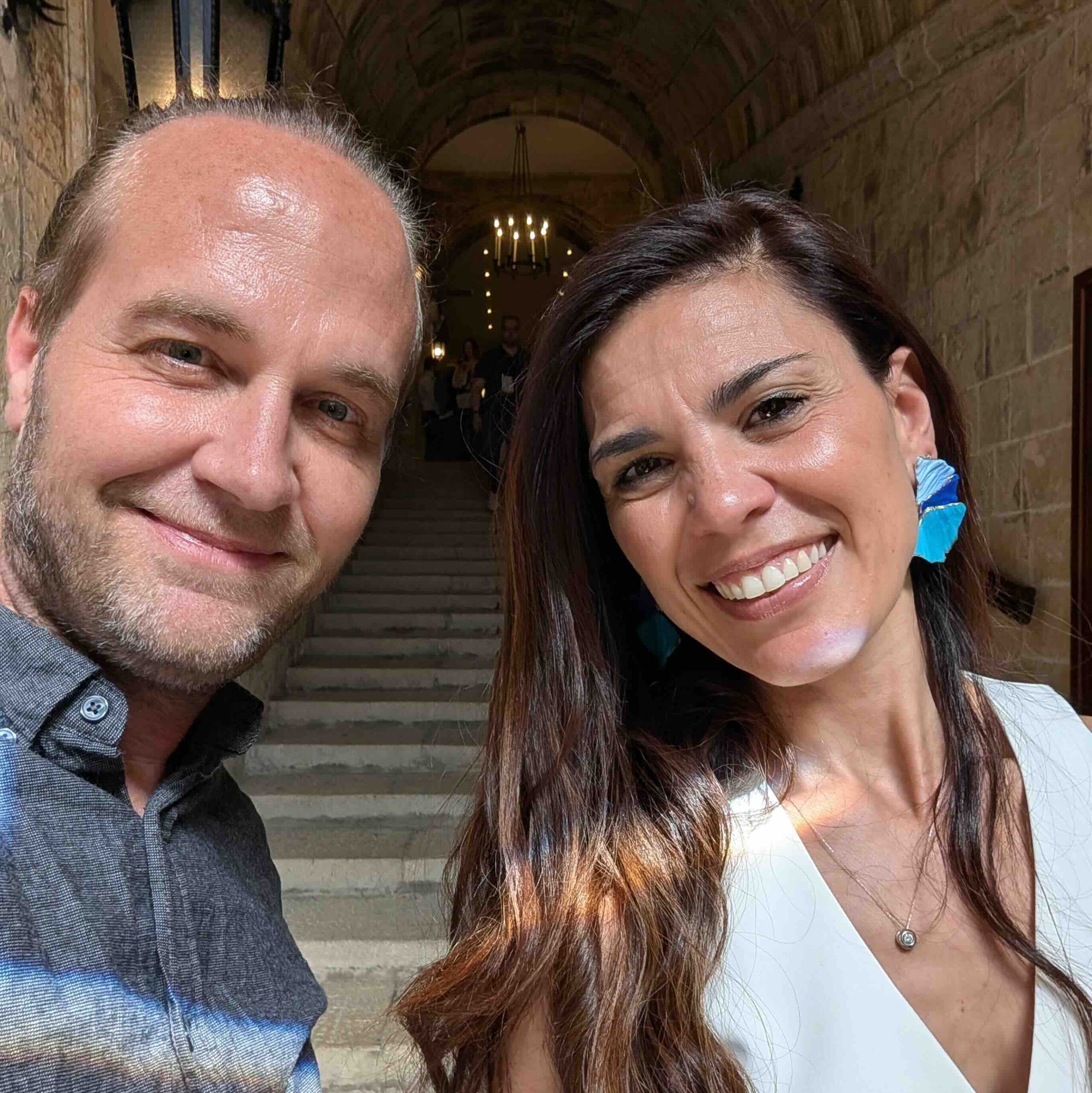
Finally, the conversation widens to leadership and category creation. The CMO role evolves toward a Chief Value Officer mindset (see Joeri's book The Future CMO): understanding P&L, customer retention, emotional triggers, product experience, and sustainable growth. In iGaming, that also includes responsibility, regulation, and long-term trust. Valentina’s “brandformance” view connects measurable performance marketing to durable brand value so teams can avoid short-term optimisation that erodes credibility. And when markets get crowded, blue ocean strategy becomes a useful lens: stop asking how to beat competitors and start asking what would make competition irrelevant. New categories are riskier and eventually get copied, but they are also where differentiated growth and real innovation still live.
Related Posts:






PS: Find AI Match Sessions here!
Want to see more of my articles in Google? Add webdrie.net as a preferred source.