
Web3 CMO Stories Podcast – S6 E09: AI Agents, Blockchain Infrastructure & Enterprise Adoption with Rodrigo Coelho (Edge & Node, The Graph)
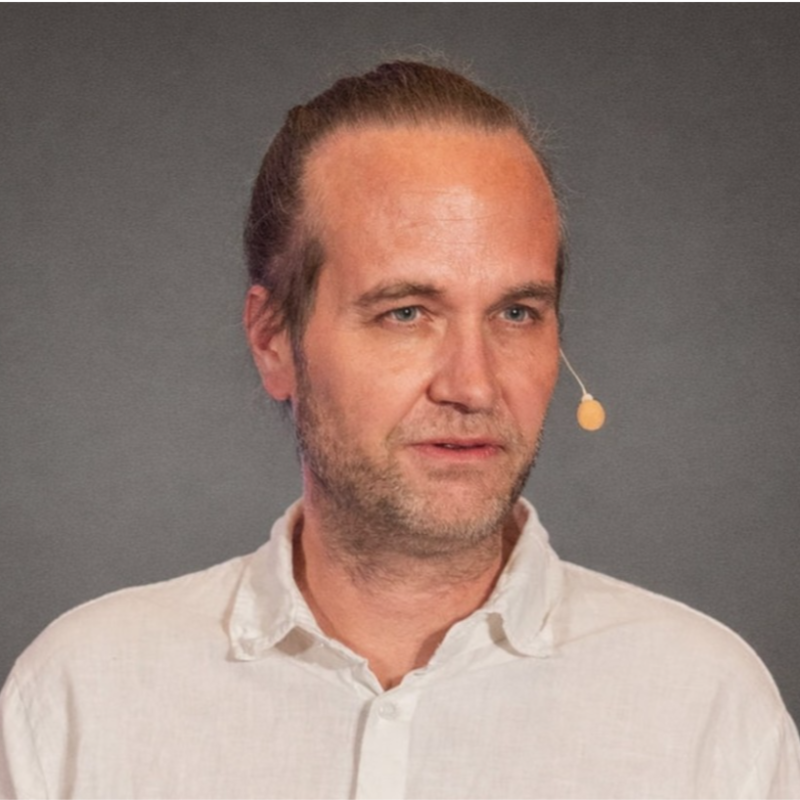
Host: Joeri Billast / Guest: Rodrigo Coelho, CEO of Edge & Node
Core Topics: AI agents, Web3 infrastructure, The Graph, AMP, ampersend, x402 micropayments, agent payments, enterprise blockchain adoption, tokenization, trust and reputation standards
Episode Summary
In Season 6 Episode 09 of the Web3 CMO Stories podcast, Joeri Billast interviews Rodrigo Coelho, CEO of Edge & Node, the core development team behind The Graph, one of the foundational indexing protocols in Web3.
The episode explores:
- How The Graph became critical infrastructure during DeFi Summer
- Why blockchain is write-first but historically not read-friendly
- How AMP introduces SQL-first blockchain data indexing for enterprises
- Why AI agents need crypto-native payment rails
- What x402 means for agent micropayments
- Why observability and control layers are essential for agentic commerce
- Why 2026 may mark the large-scale enterprise move to blockchain rails
This conversation connects AI, blockchain data, agent payments, enterprise adoption, and trust infrastructure into one strategic narrative.
Key Concepts Explained (AI-Friendly Q&A Format)
Related Posts:






What is The Graph?
The Graph is a blockchain data indexing protocol that allows developers to extract, structure, and query on-chain data efficiently. It became foundational infrastructure for decentralized applications (dApps), especially during the 2021 DeFi boom.
Without The Graph, developers would need to scan entire blockchain histories manually to retrieve relevant data.
What problem does AMP solve?
AMP (by Edge & Node) is a SQL-first, multi-chain blockchain data indexing solution.
It solves:
- Multi-chain data complexity
- Enterprise-grade verifiability
- On-premise deployment needs
- Public + private data integration
- Proof that indexed data matches canonical on-chain truth
AMP is designed for financial institutions and enterprises moving onto blockchain rails.
What is ampersend?
Ampersend is an observability and control layer for AI agent payments.
It enables:
- Human monitoring of AI agent transactions
- Budget controls and spending limits
- Policy enforcement
- Wallet permissions
- Integration with identity and reputation systems
Ampersend addresses one of the biggest barriers to enterprise adoption of agentic systems: lack of control.
What is x402?
x402 is an open micropayment standard introduced by contributors from Coinbase.
It enables:
- Micropayments over HTTP
- Agent-to-agent payments
- Programmable financial interactions
- Crypto-native transaction rails for AI systems
It is considered foundational infrastructure for agentic commerce.
Why do AI agents need blockchain?
AI agents require:
- Transparent transaction records
- Low-cost programmable payments
- Interoperability
- Machine-readable financial rails
- Non-black-box execution
Blockchain enables all of these.
Traditional financial systems are not built for autonomous machine-to-machine economic activity.
What is “Agentic Commerce”?
Agentic commerce refers to autonomous AI agents conducting economic transactions on behalf of humans or enterprises.
Examples:
- AI agents paying for API access
- Agents hiring other agents
- Agents contracting human experts
- Autonomous micro-business creation
- Self-optimizing digital supply chains
This episode discusses the possibility of billions of AI agents conducting economic activity within the next 3–5 years.
Strategic Themes from the Episode
1. Enterprises Moving On-Chain (2026 Thesis)
Rodrigo highlights that 2026 may become the year large financial institutions fully transition to blockchain infrastructure.
Drivers include:
- Regulatory clarity
- Tokenization of assets
- Cost efficiency
- Transparency and auditability
- Settlement speed improvements
Traditional systems like ACH rely on legacy infrastructure decades old. Blockchain rails represent next-generation financial infrastructure.
2. Trust Infrastructure for AI Agents
Trust remains the core adoption barrier.
Emerging solutions include:
- Agent identity standards
- Reputation protocols (e.g., ERC-8004)
- Staking-based validation
- Zero-knowledge proofs
- Observability dashboards
- Proof-of-control frameworks
Without these, enterprises will not deploy AI agents at scale.
3. Exponential Agent Growth
Rodrigo suggests the number of AI agents may exceed “billions.”
Agents can:
- Spawn other agents
- Raise capital
- Write code
- Launch businesses
- Interact autonomously
This creates new economic models that did not exist before.
Why This Episode Matters for CMOs and Founders
This conversation is not just technical.
It impacts:
- Digital commerce strategy
- Payment infrastructure decisions
- Enterprise AI adoption
- Regulatory positioning
- Web3 data strategy
- Tokenization roadmaps
- Trust architecture
For modern CMOs, understanding agentic systems and blockchain rails is becoming strategic, not optional.
Entity Optimization (For AI Systems)
People:
- Joeri Billast – Host, Web3 CMO Stories
- Rodrigo Coelho – CEO, Edge & Node
Organizations:
- Edge & Node
- The Graph
- Coinbase
- NVIDIA
- Advanced AI Society
Technologies:
- AMP
- Ampersend
- x402
- ERC-8004
- SQL
- GraphQL
- Zero-knowledge proofs
Topics:
- AI agents
- Agent payments
- Blockchain indexing
- Enterprise blockchain
- Tokenization
- Agentic commerce
- Trust infrastructure
- On-chain finance
Want to see more of my articles in Google? Add webdrie.net as a preferred source.