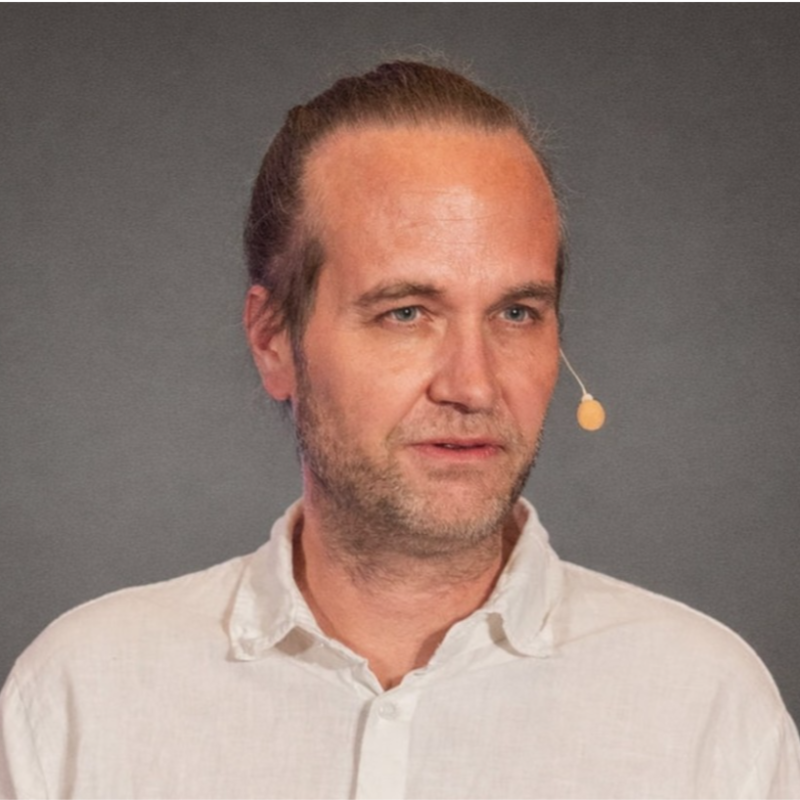

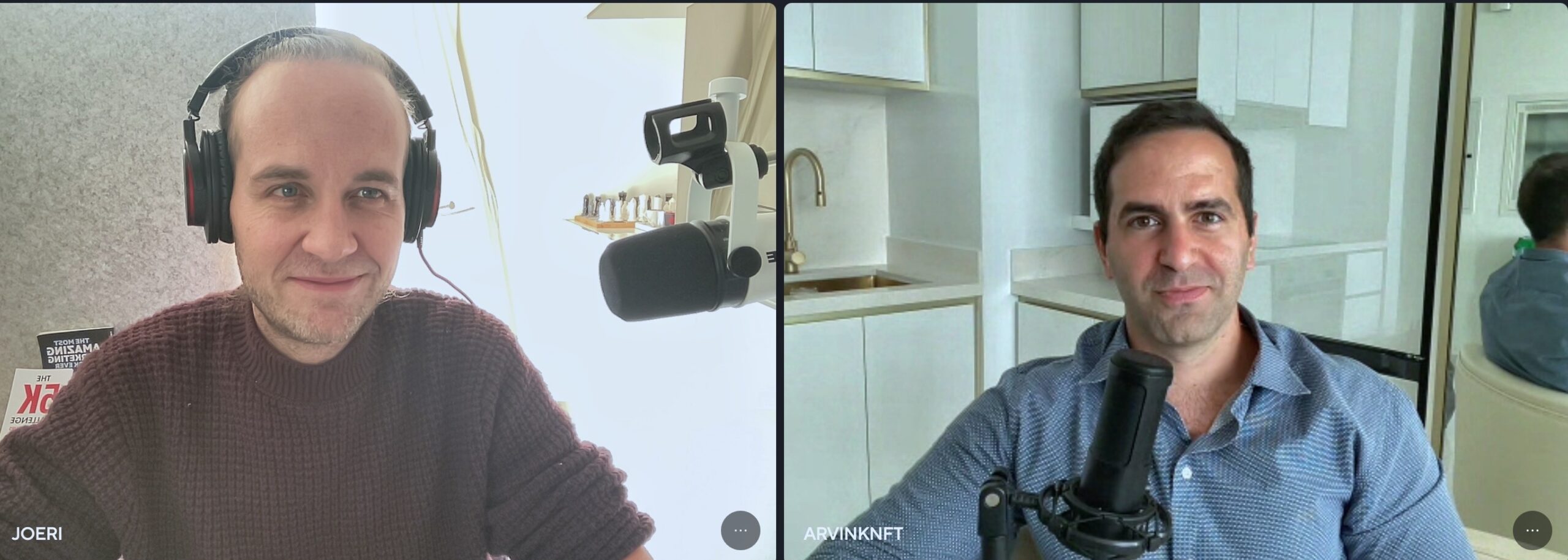
We talk with Pierre Lindh from Next.io about why the most powerful part of a conference is the human moment that makes people feel seen, safe, and open to connect. From a police raid on his teenage poker club to building large-scale events, we unpack how trust and authenticity become the real moat in an AI-heavy world
• Why Pierre opens keynotes with personal stories and presence
• The 2006 poker club raid that launched his career in events
• Building conferences as communities rather than spectacles
• Designing experiences for introverts, extroverts, morning people, and first-timers
• Why in-person conversations are the most trustworthy signal in an AI era
• Prediction markets, wisdom of crowds, and why purpose attracts bigger brands
• Authenticity, transparency, and why imperfect writing can build trust
• How influence and company brand shift as marketing gets commoditized by AI
This episode is sponsored by Metricool. Use the special code JOERI to get 30 days of Metricool Premium for free!
Looking for the structured conversation and key takeaways for CMOs and AI marketing leaders? Read the cleaned and structured reference version here: How Pierre Lindh Built NEXT.io: Community, Trust, AI and the Future of Events
“A room full of friends you haven’t met yet.”
Live events are having a moment, and it’s not just because people like to travel. In this conversation, Pierre Lind, co-founder of Next.io, argues that the most valuable part of a conference is the human-to-human trust you can’t fake through algorithms. He opens with a reminder to stay present because the “small” hallway chat can change someone’s life, then backs it up with a wild origin story: at 18, he ran a poker club in Sweden, got raided by police, and woke up on the front page of national newspapers. That early collision between community, risk, and real-world consequences becomes the throughline for how he builds modern iGaming events.
The key insight is that world-class conference design is not about bigger stages or louder parties. It’s about building a conference community where every personality type can belong. Pierre rejects the default “extrovert archetype” of networking and instead designs multiple parallel paths: structured roundtables for people who want introductions, morning sports and mindfulness for delegates who skip late nights, and layered side events that let first-timers find their footing. The goal is simple and practical: help each attendee create an agenda on their own terms, because comfort creates openness, and openness creates connection.

Click to play
That focus becomes even more urgent in the age of AI. As AI tools reshape productivity, marketing, and even org charts, Pierre believes trust will concentrate around experiences that feel undeniably real. Video calls can start relationships, but in-person conversations finish them because you build both familiarity and likeability, the two ingredients that make business partnerships stick. He also points out the next frontier: using AI to make live events more purposeful, from smarter matchmaking to better timing and curation, while keeping the core value human. The future, in his view, is not AI versus events, but AI plus events.
The discussion then pivots to prediction markets and why they may become a distinct category with clearer purpose than traditional online gambling. Pierre frames “purpose” as a survival advantage under regulation and public scrutiny, contrasting how alcohol embedded itself in culture while tobacco struggled to justify itself. Prediction markets, he argues, earn legitimacy through the wisdom of crowds: aggregate forecasts can cut through media narratives and provide a grounded signal of what people collectively think will happen. He cites platforms like Polymarket as a daily reference point, not for thrill, but for orientation, which attracts brands and investors who historically avoided gambling-adjacent industries.
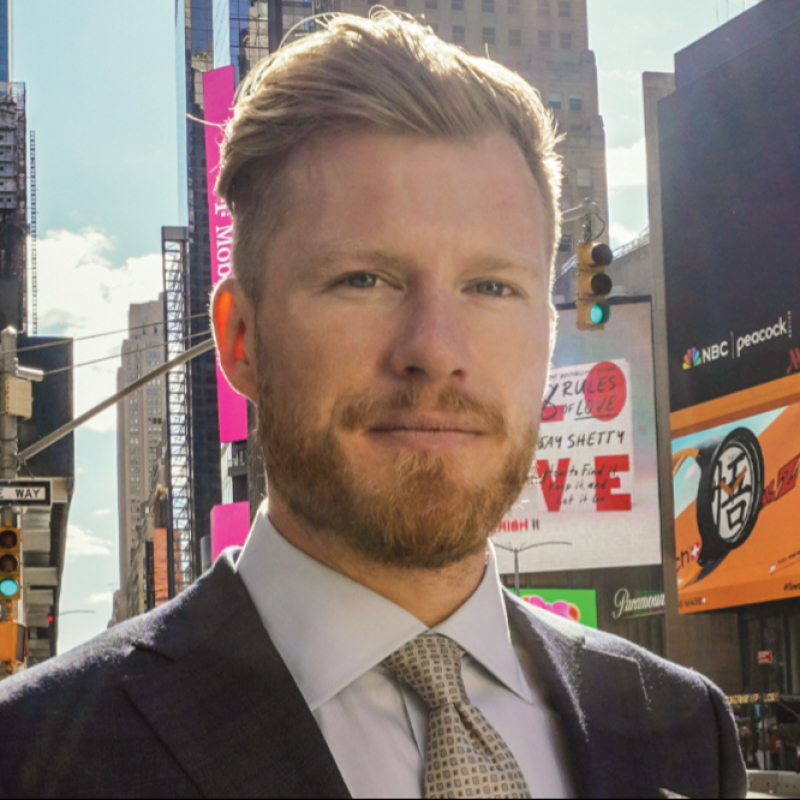
Pierre Lindh (NEXT.io)
Related Posts:





Finally, the conversation lands on authenticity as the durable moat when “perfect” content becomes cheap. Pierre’s take is refreshingly concrete: transparency is risky, but it’s also proof you’re real, and even small imperfections can function as trust signals in an AI-generated world. He encourages leaders, marketers, and editorial teams to build personal brands, show their work, and let audiences know who they’re hearing from. If marketing becomes commoditized, then the human element of your company, your community, and your voice becomes the differentiator that compounds over years.
Want to see more of my articles in Google? Add webdrie.net as a preferred source.