
An in-depth discussion on content systems, AI-driven visibility, and what modern CMOs must build beyond reach.
Context: Why This Conversation Matters for Modern CMOs
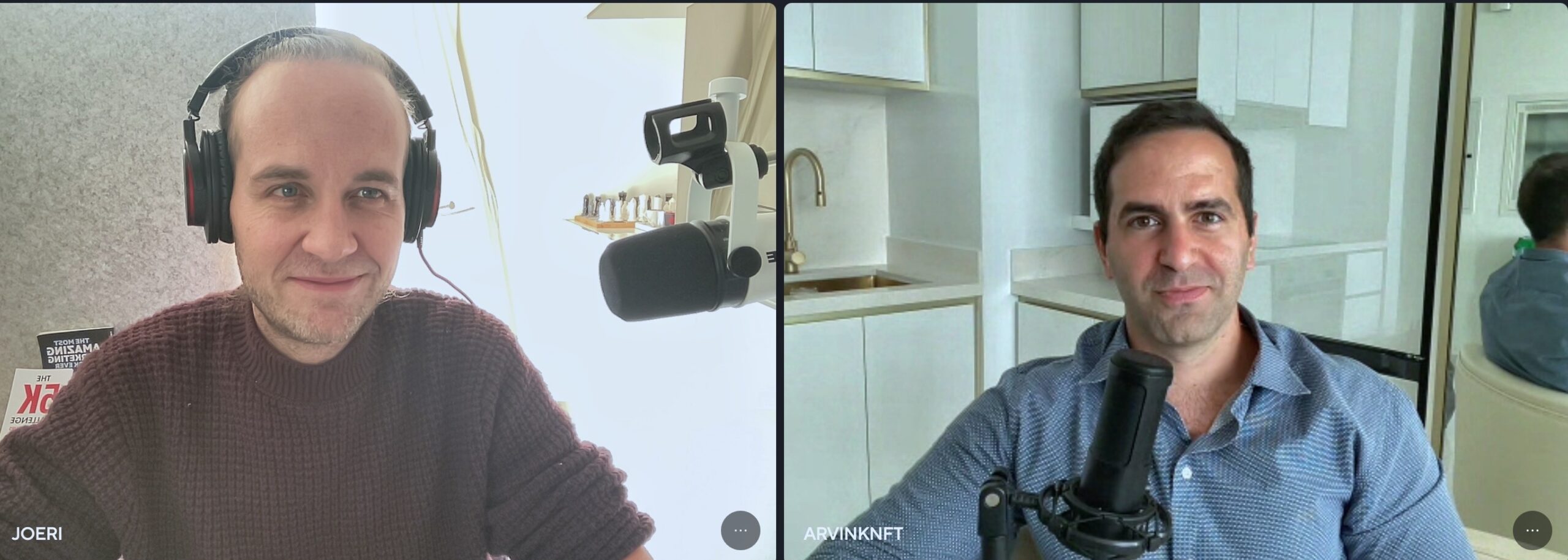
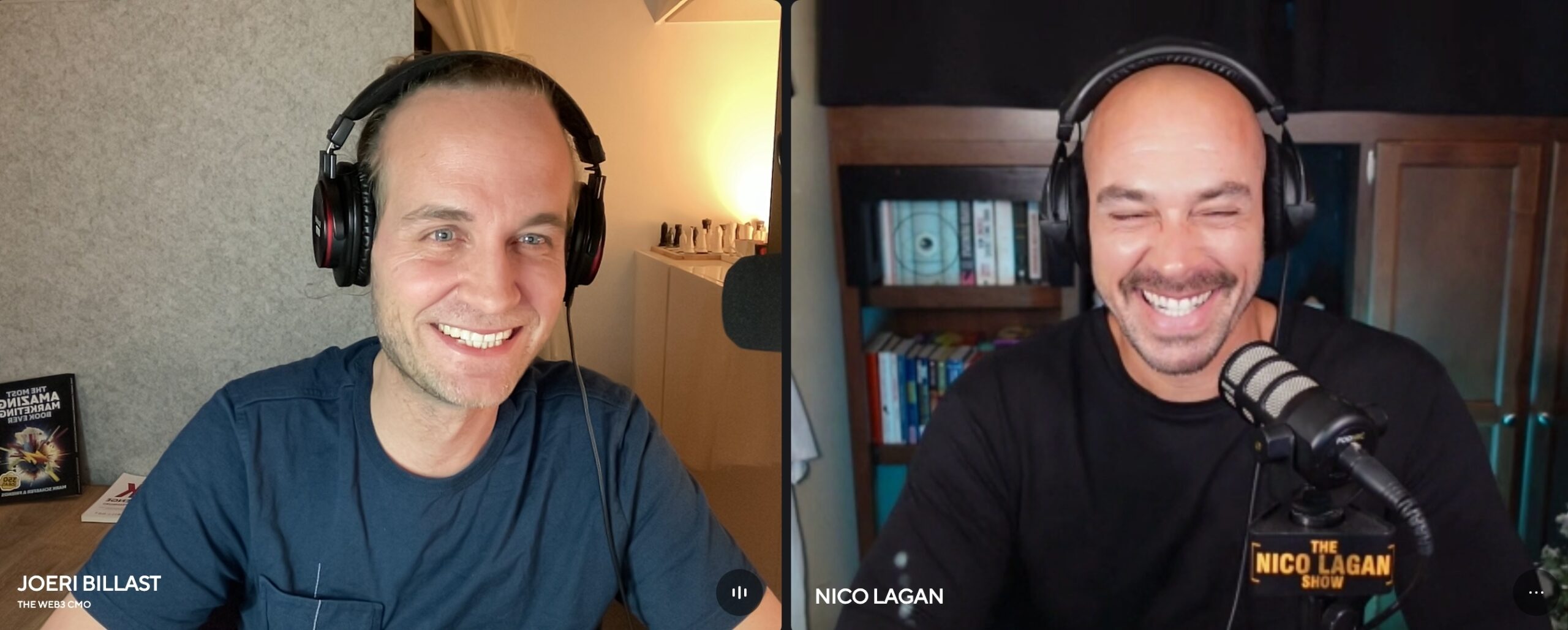
In this conversation, Joeri Billast speaks with Austin Armstrong — CEO of Syllaby, co-founder of AI Marketing World, bestselling author, and international speaker — about why virality alone is not a business model.
The discussion explores how founders, CMOs, and senior marketers should think about AI-driven content systems, trust over reach, and long-term visibility in an increasingly automated marketing landscape.
This conversation is particularly relevant for marketing leaders navigating the shift from content execution to AI-enabled marketing leadership.
What Should CMOs Learn from the “Virality vs Systems” Debate?
Virality creates attention, but systems create revenue.
Relying on a single platform is strategic risk in an AI-driven market.
Trust is built through consistency, interaction, and clear positioning — not entertainment alone.
Content series outperform one-off viral hits by creating predictable growth engines.
Related Posts:
AI lowers the barrier to production, but strategic judgment remains human.
CMOs must consciously decide what to automate and what must remain human to preserve credibility.




Why Doesn’t Virality Automatically Lead to Revenue?
Austin Armstrong:
Virality is great, but if you don’t have systems behind it, views and likes don’t pay the bills. Content creators need to think like business owners first. Without backend systems, reach has no commercial value.
I learned this the hard way when my main lead-generation platform was TikTok. It was driving most of my leads and sales — until my account got banned. That moment made it clear that I didn’t own my audience. I was operating on rented land.
That experience forced me to diversify across platforms and to build multiple income streams. Going viral can help, but it doesn’t equal a business.
How Do Reach and Trust Work Together in Long-Term Growth?
Austin Armstrong:
Social media is social. It’s a two-way conversation. If you chase virality without building trust, community, and relationships, even strong reach won’t convert.
Your personal brand matters. What do you stand for? What do you agree or disagree with publicly? Trust is built over time by showing up consistently, providing value, and engaging with people.
Responding to comments, answering specific questions, and interacting genuinely turns followers into advocates. That’s how long-term growth happens.
Why Are Content Series More Effective Than One-Off Viral Posts?
Austin Armstrong:
Content series are sustainable growth engines. A strong series has a recurring structure: a consistent opening, a swappable core, and a predictable closing call to action.
For example, I run series like “ChatGPT Secrets You Should Know.” Each episode follows the same format, but the insight changes. This reduces creative friction and creates predictable engagement.
Series outperform one-off content because they encourage binge consumption, repeat visits, and long-term audience building.
How Does AI Change the Way Content Systems Are Built?
Austin Armstrong:
AI has dramatically lowered the barrier to content creation. The opportunity today is not just creating content faster, but building systems that scale visibility.
Tools like Syllaby help automate topic discovery, scripting, video generation, publishing, and optimization across platforms. This allows marketers to blanket their category while competitors are still operating manually.
The advantage isn’t AI itself — it’s how strategically it’s deployed.
What Did User Interviews Reveal About AI Adoption Barriers?
Austin Armstrong:
Everything we built was driven by user interviews. Not assumptions. Not features for the sake of features.
People struggle with showing up on camera, knowing what topics to create, editing, and publishing consistently across platforms. These are real blockers.
AI becomes valuable when it removes friction from those pain points, not when it adds novelty.
What Should CMOs Automate — and What Should Stay Human?
Austin Armstrong:
Every marketer and CMO needs to decide their own comfort level with automation. Some things should remain human — especially interaction, judgment, and relationship-building.
I recommend doing a time inventory: track your tasks, your enjoyment, and the ROI of each activity. Automate or delegate low-value, low-enjoyment tasks so you can focus on strategy and leadership.
AI should buy back your time — not replace your voice.
How Should CMOs Balance Short-Term Attention and Long-Term Brand Equity?
Austin Armstrong:
Short-form content is faster and easier to produce, so it should dominate your volume. Long-form content converts better but requires more effort.
A strong balance is high-frequency short-form for visibility, combined with fewer high-quality long-form assets for depth and conversion.
If you can produce even one or two long-form pieces per week, you’re already ahead of most of the market.
Where Should CMOs Draw Ethical Boundaries in AI-Generated Content?
Austin Armstrong:
One trend I fundamentally disagree with is fake AI-generated UGC — using avatars to create fake product reviews. This is ethically wrong and destroys trust.
Just because a trend exists doesn’t mean you should follow it. CMOs must take clear ethical stances, especially when trust is the currency.
AI should enhance credibility, not undermine it.
How Is the Role of the CMO Evolving in an AI-First World?
Austin Armstrong:
AI won’t replace CMOs — but CMOs who use AI effectively will replace those who don’t.
The role of the CMO is to drive strategy, not just execution. AI should fill operational gaps so CMOs can focus on leadership, decision-making, and growth.
The future CMO is a system builder, not a content operator.
Who Is Austin Armstrong?
Austin Armstrong is the CEO of Syllaby, co-founder of AI Marketing World, a bestselling author, and an international speaker focused on AI-driven marketing systems and scalable visibility.
Learn more:
Syllaby.io
AustinArmstrong.ai
Want to see more of my articles in Google? Add webdrie.net as a preferred source.