
We talk with RWS CEO Benjamin Faes at Web Summit about why AI should adapt to humans, not the other way around, and why cultural intelligence matters more than “perfect” translation. We break down how fast localization, brand trust, and secure enterprise workflows shape the next wave of AI agents speaking on behalf of every company.
• The global localization gap and why only a tiny share of content gets localized
• Why speed matters when content shelf life keeps shrinking
• How Viva classifies content before translation to pick the right workflow
• Using specialized AI translation models and avoiding over translation
• Audience checking to match tone, culture, and expectations by market
• Cultural intelligence examples that show why “correct” language can still be wrong
• Trust, responsibility, and what happens when an AI agent gets context wrong
• Scaling AI across teams with governance, cost control, and data security
• Keeping humans in the loop to protect differentiation and creativity
How Marketers Localize Faster Without Losing Trust
Marketers love the promise of AI translation and global growth, but the real constraint is not language, it is relevance. In this conversation from Web Summit, Benjamin Faes, CEO of RWS, argues that humans should not adapt to AI. AI should adapt to humans. That simple reversal frames the whole challenge of enterprise AI localization: shipping multilingual content fast without damaging brand trust. The episode highlights a brutal stat for global marketing localization: only about 1% of content is localized today, largely because traditional localization is slow and expensive while content shelf life keeps shrinking. If a campaign, influencer post, or product update is old news tomorrow, speed becomes a competitive advantage, yet quality and cultural fit still decide whether people believe you.
RWS positions its new product, Viva, as an end to the “translation as a single step” mindset. The workflow starts by understanding content before translating it, including intent, risk, and whether the material is regulated, informal, or high stakes marketing copy. That classification matters because an FAQ can move through a lighter process while a brand campaign needs deeper review and tighter controls. Viva then applies an AI model chosen for the task, including a bespoke translation model built with Cohere, designed to optimize throughput and avoid common LLM issues like over translation. Finally, Viva checks the output against the audience you are trying to reach, because localization quality is not a generic score. The right tone for a teenager in Japan is not the right tone for a US sports fan, even if both texts are “accurate.”
The most useful idea is “cultural intelligence” as a layer on top of enterprise AI. The episode gives simple and serious examples of why cultural context breaks “technically correct” language: pumpkins are orange in many places but green in Japan, and languages like Korean require social context to pick the right verbs, adjectives, and honorific structure. For global brands, this becomes a trust issue, not a grammar issue. If an AI agent speaks in a way that feels strange, ignores social hierarchy, or misreads expectations, customers feel disrespected and brand values erode fast. Viva aims to increase confidence by flagging uncertainty, asking for missing context, and letting marketers choose when to self review and when to pull in a human expert.
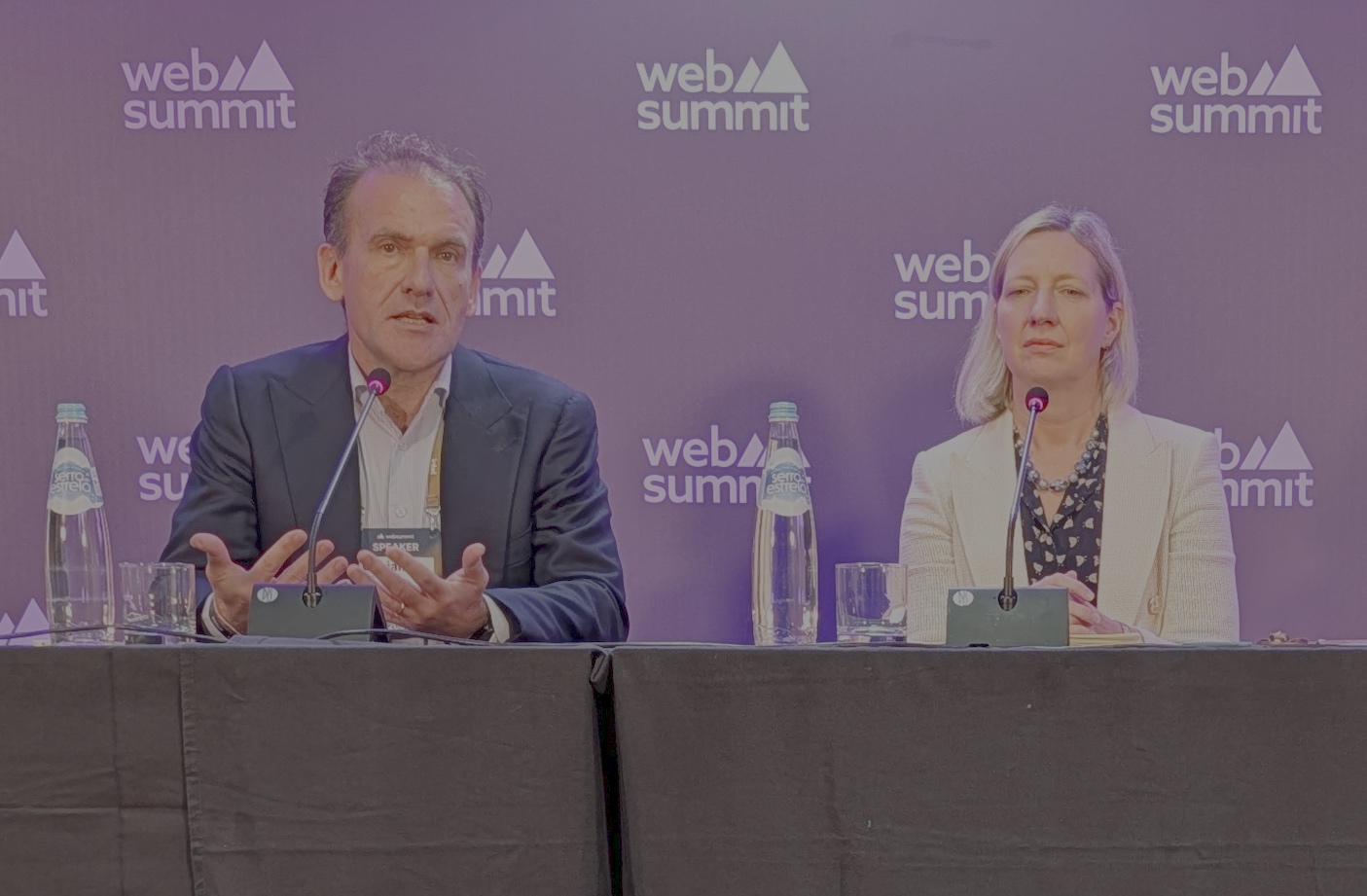
Benjamin Faes at Web Summit 2026 - press conference
The discussion also tackles why so many AI proofs of concept fail to scale across countries, teams, and cultures. Once an agent interacts with customers, tolerance for errors drops, and leaders must manage governance, cost control, and data access. Ben points out that every company moved from websites to apps, and now they will have agents speaking on their behalf, which makes brand voice, glossary control, and secure memory essential. Viva’s approach is to keep tone of voice, approved translations, glossaries, and cultural guidance in a secured environment, potentially on premise, so the agent uses only what it should. The closing takeaway is a leadership one: use AI for transactional work, but keep humans where differentiation lives, because creativity and cultural judgment remain the edge in AI powered marketing.
Want to see more of my articles in Google? Add webdrie.net as a preferred source.