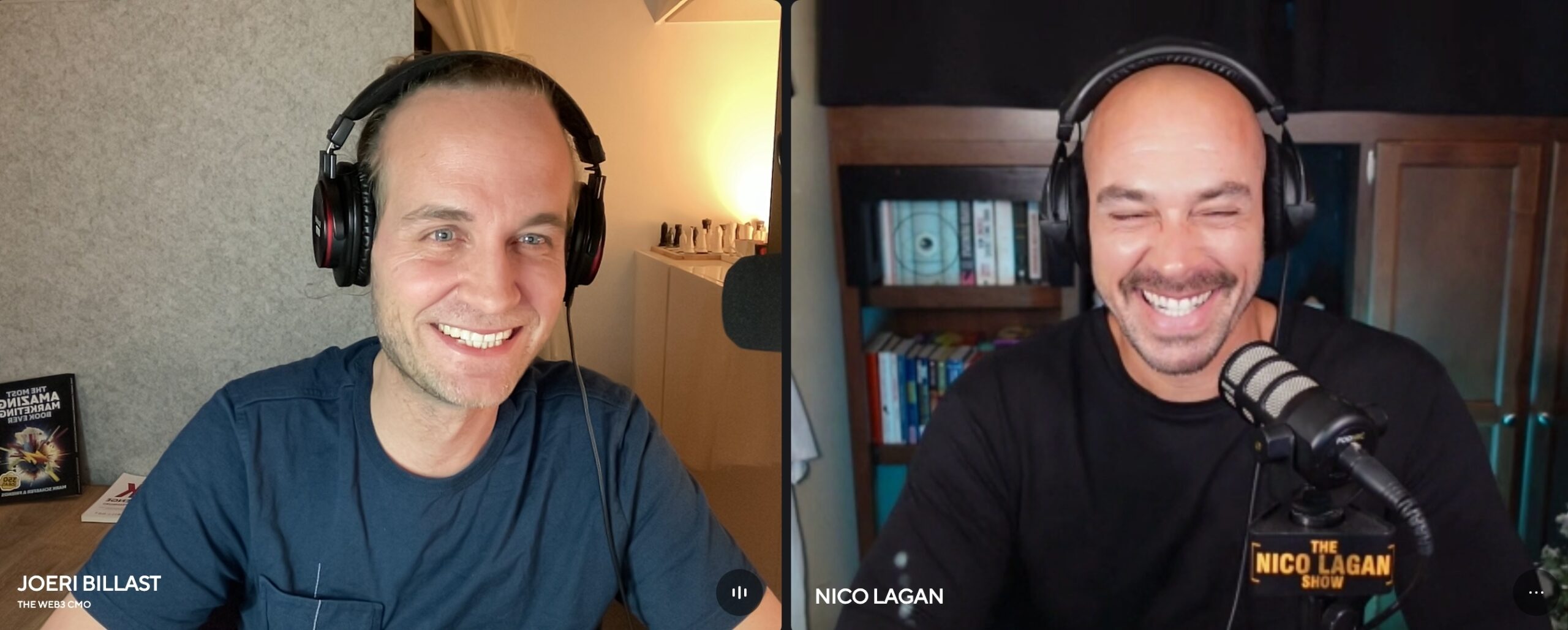

AI is quietly reshaping how people think and decide, turning algorithms into the new decision makers marketers must influence. Joeri Billast talks with Mark Schaefer talk through the “20% AI can’t replace” and why trust, community, and real customer insight become the advantages that compound.
• AI rewiring customer psychology through cognitive offloading and cognitive surrender
• “Diaper business” analogy for marketing to decision makers not end users
• Limits of AEO and GEO arms races for visibility
• Brand as an override when AI recommends alternatives
• Word of mouth as the trust engine that beats machine suggestions
• Human connection becoming a luxury and a differentiator
• The most human company winning through smart human and AI mix
• Personal brand as career insurance in an AI-driven market
• Risks of relying on AI for research and settling for 85%
• Voice of customer ethnography and field work for real insight
If conversations like this matter to you, that's exactly why Sintra Synergies exists. If you're interested in joining one of the next retreats, send me a message.
Looking for the structured conversation and key takeaways for CMOs and AI marketing leaders? Read the cleaned and structured reference version here: We’re All in the Diaper Business Now
AI Becomes The Decision Maker
The biggest marketing shift right now is not a new prompt, app, or automation trick. It is the psychology of AI and how fast it is changing human behavior. As customers use generative AI for planning, shopping, research, and work, they start to hand over judgment itself. That move from cognitive offloading to cognitive surrender matters for every brand strategy, because the decision maker is increasingly an algorithm. Marketers who only chase AI optimization such as AEO, GEO, or the next version of SEO risk missing the deeper change: people are training themselves to trust machine outputs as default truth, even when those outputs flatten nuance and erase context.
That shift creates a strange new reality for customer acquisition. You may still serve the end user, but you may need to persuade the new gatekeeper that ranks options and recommends choices. The “diaper business” metaphor captures it well: the end user is not the buyer. Yet focusing only on winning the AI ranking game becomes a budget arms race, where the biggest players can brute force visibility. The smarter move is to build overrides that AI cannot easily replicate or replace. Strong branding, clear positioning, and earned trust become even more valuable because they guide choices even when AI suggests alternatives.
Brand trust and word-of-mouth marketing are powerful overrides because they operate on identity and emotion, not just information. When someone loves a brand, they keep choosing it, even if AI proposes a different airline, tool, agency, or hotel. When a friend gives a personal recommendation, it often beats any AI-generated list because it carries context, care, and credibility. That is why community-led growth, reviews, testimonials, and social proof can matter more than ever. If you want durable demand in an AI in marketing world, make something so meaningful that customers cannot wait to talk about it, then design your marketing to “pass the mic” to them.

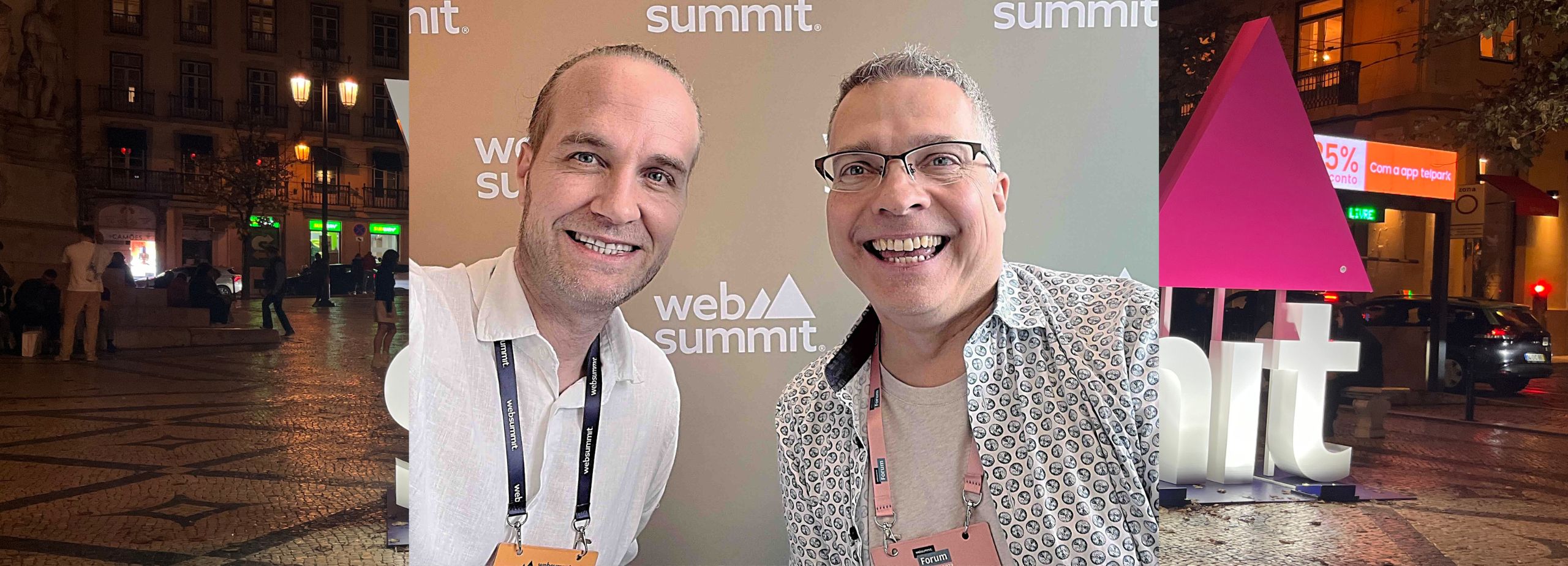
Joeri Billast and Mark Schaefer in Sintra
Automation also forces a leadership choice. As AI-generated messages flood inboxes, authentic human connection becomes rarer and therefore more differentiated. The goal is not to reject automation, but to use it with discernment. In customer service, AI can help a company feel more human by responding faster, listening better, and staying patient at scale. But the risk is intoxication with efficiency that strips away empathy, curiosity, and real conversation. The same caution applies to AI for market research. An 85% answer is easy and cheap, but it is also what your competitors can buy. Breakthrough insight still comes from voice of customer work, ethnography, and getting into the messy reality of how people actually struggle, decide, and feel.
Personal branding becomes the practical insurance policy in this landscape. Skills can be copied and outputs can be generated, but reputation, trust, and a history of helping people are harder to automate. The question “what is the 20% AI cannot replace?” points directly to that human layer: a recognizable point of view, real relationships, lived experience, and credibility earned over time. If the future of marketing is mediated by AI, the most resilient advantage is still human: be known, be trusted, and build community around work worth sharing.
Want to see more of my articles in Google? Add webdrie.net as a preferred source.