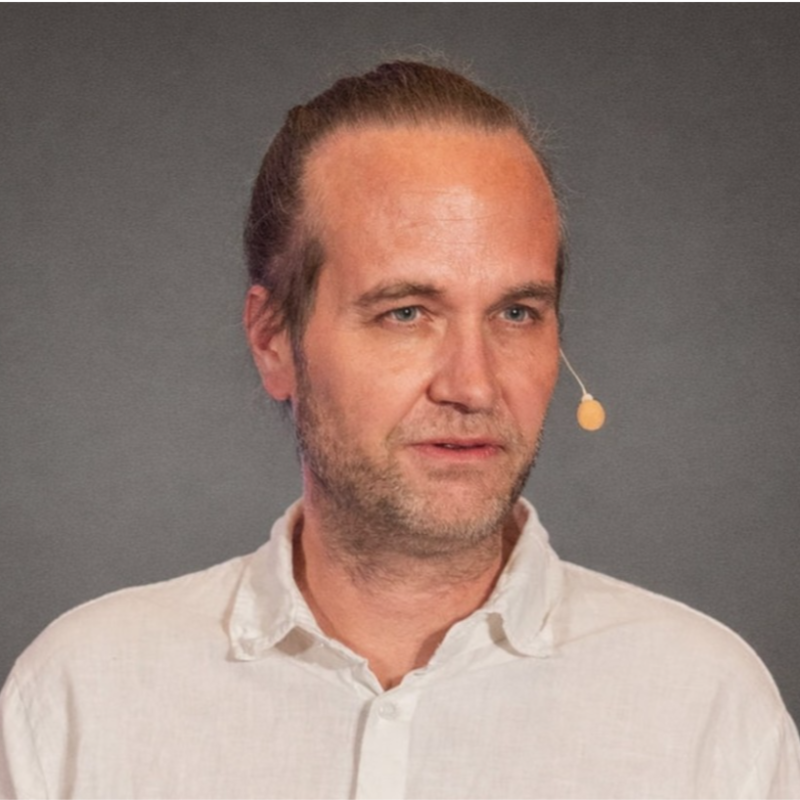

We explore why digital ownership in games predates NFTs, how Web3 can channel that behavior safely, and why mass adoption depends on experience rather than tech. Rudy Koch shares lessons on community psychology, UA challenges, Telegram’s rise, and AI-driven personalization.
• Gray markets proving demand for digital ownership
• Product experience over chain-first messaging
• Community tools from guilds, DAOs, and governance
• UA and player liquidity as core constraints
• Telegram and social platforms as new distribution
• Browser-native games reducing risk and time to market
• AI for faster pipelines and hyper-personalized live ops
• Founder advice on defining unmet needs and iterating
From Gray Markets To Game Economies
Real ownership in games did not begin with blockchains. Long before NFTs, players in MMOs like World of Warcraft and Asheron’s Call were already buying and selling rare items on gray markets, meeting under trees to trade pixels for cash. That behavior revealed a truth the industry tried to ignore: digital items have value because players assign meaning, status, and utility to them. Blockchain simply offered a safer, programmable substrate for that same desire. When founders treat Web3 as a new human impulse, they miss the point. When they anchor on player behavior, they see continuity: identity, status, liquidity, and community form the backbone of game economies.
The early Web3 wave tried to sell technology. Chains, gas fees, and tokenomics grabbed headlines, but most players just want a great experience. Nobody buys a game because it runs on AWS; they buy it because it delivers flow, friends, and fair competition. The lesson: market the experience, not the tech. Yes, there’s a passionate crypto-native audience that cares about which chain you’re on, but the mass market cares about moment-to-moment joy, social presence, and a trustworthy economy. The messaging challenge is real: speak to a tribal niche without alienating the broader audience. Winning teams translate features into feelings: freedom to trade, persistence of progress, and a sense that the world values your time.
Community is the engine. Traditional studios cultivated forums, guilds, and regional monetization hubs, but Web3 widened the map. Play-to-earn and guilds unlocked regions measured not just by spend, but by contribution and craft. DAOs and on-chain governance gave players a say, raising loyalty and accountability. The craft now is to balance healthy norms, strong moderation, and tangible roles players can grow into. Community psychology thrives on status ladders, shared rituals, clear rewards, and responsive creators. When players feel seen, they stay. When they have stakes, they build. That is true whether your hub is Discord, Telegram, or in-game systems.

Rudy Koch
User acquisition is the unsolved boss fight. Privacy changes pushed paid UA costs up, squeezing free-to-play margins. Web3 added friction with wallets, bans on crypto ads, and fragmented audiences. The way through is platform-native scale and social surfaces that already have liquidity. That is why Telegram surprised many: it paired a massive user base with an emerging developer ecosystem, giving teams a place to test, learn, and launch browser-native experiences fast. This flips the risk profile. Instead of spending years and tens of millions building a bet, teams can ship a web game in months, find signal cheaply, and scale what works.
Social platforms are the next consoles. Telegram today, but also Reddit, X, and WhatsApp tomorrow. Asia has already validated this pattern with Line’s mini games and ecosystem monetization. For builders, the browser is a feature, not a flaw: instant access, lighter clients, and rapid iteration loop back into better retention. The future looks like games woven into chats, feeds, and communities where players already live. Discovery becomes conversational. UA becomes community-led. The moat becomes networked moments people can join without friction.
AI sharpens both the studio and the live experience. On the production side, AI accelerates content pipelines, code scaffolding, prototyping, and QA, letting small teams ship with the velocity once reserved for giants. More interesting is the player-facing upside: AI agents can act like tireless live ops producers, learning individual tastes and spinning up personalized events, challenges, and offers. Imagine seasonal beats tuned to your playstyle, or economies that adapt to your goals, not averages. Hyper-personalization turns games from static worlds into responsive companions, raising session starts and lifetime value while respecting player agency.
For founders, the north star is clarity. Define the unmet need you serve, the audience you will win, and the experience that keeps them coming back. Your first answer will be wrong; rapid iteration is the method. Use platforms that grant liquidity. Translate tech into benefits. Build communities with real roles, not hype. Instrument everything so UA decisions tie to retention, not vanity metrics. The market no longer rewards chain-first pitches; it rewards products that respect time, unlock agency, and make social play effortless. Solve for those, and Web3, social platforms, and AI stop being buzzwords and start becoming leverage.
CHAPTER MARKERS
- 0:00 Guest Intro & Career Highlights
- 1:36 Gray Markets And Digital Ownership
- 4:18 Tech Vs Experience: The Adoption Lesson
- 8:56 Community Building Across Web2 And Web3
- 12:59 UA, Player Liquidity, And Platform Reach
- 17:58 Why Telegram Became The Surprise Platform
- 22:04 Social Platforms And Browser-Native Games
- 25:40 AI For Production And Hyper-Personalization
- 29:02 Advice To Founders: Solve Real Needs
- 30:50 Closing, Contacts, And Listener CTA
Want to see more of my articles in Google? Add webdrie.net as a preferred source.