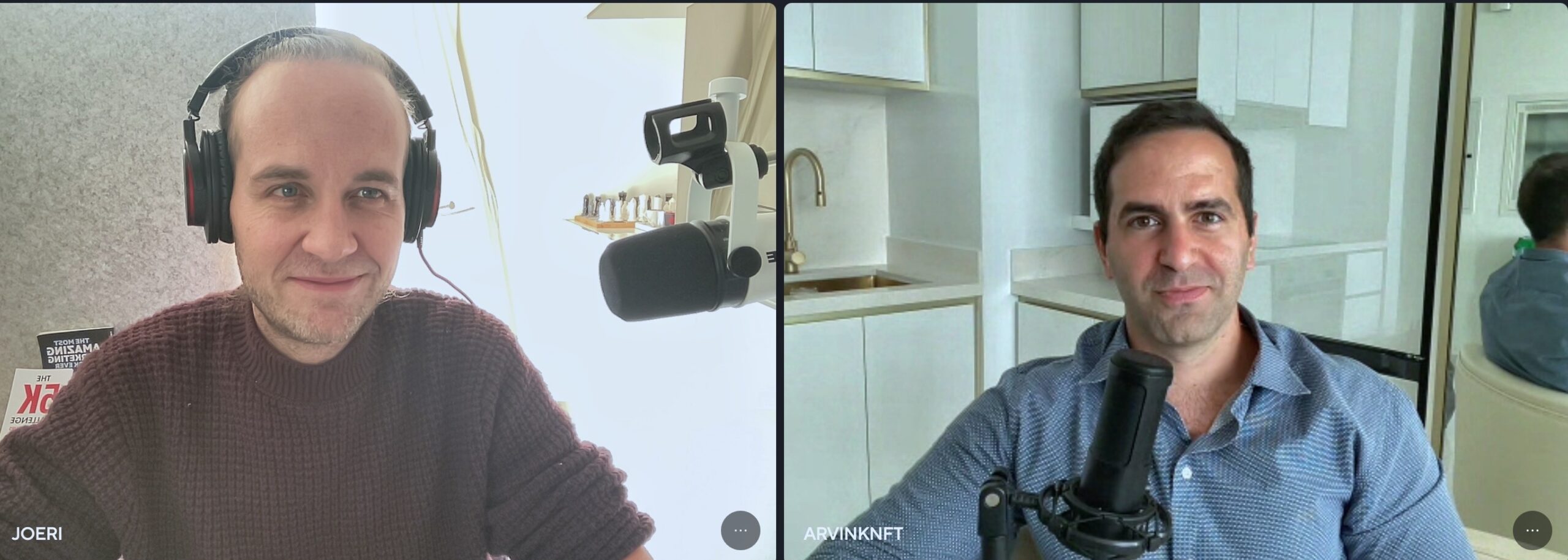

Together with Frank Hepworth, founder of New Market Trading, we break down why most “crypto investing” through banks and ETFs is a thin slice of the real on-chain economy, and why the investment account itself is the real bottleneck behind tokenization. We also dig into account abstraction, programmable on-chain accounts, and what actually builds trust when scams are everywhere.
• The three-tier stack of crypto access from banks to exchanges to the blockchain layer
• Why tokenized assets do not help if the investment account stays off-chain
• How the traditional custodial model becomes optional in crypto markets
• What account abstraction changes about control, permissions, and custody risk
• Why institutional adoption is often about mandates and liability
• The five-year view on on-chain native equity beyond today’s RWAs
• What investors miss with passive ETF-only exposure in a cyclical market
• Practical scam red flags and why self-custody is not a complete shield
On-Chain Wealth Management
Crypto wealth management is changing fast, but most investors still experience digital assets through a narrow pipe: a Bitcoin ETF, an Ethereum ETF, and a handful of large-cap tokens. In our conversation with Frank Hepworth of New Market Trading, we unpack why that “institutional format” is the smallest slice of what exists in the on-chain economy. He breaks the market into tiers: big banks that offer limited products, crypto exchanges that expand choice but still keep you mostly off-chain, and the blockchain layer itself where tens of thousands of assets, DeFi yield strategies, and permissionless markets actually live. The core idea is simple: if your advisor only offers wrappers, you miss the infrastructure-native opportunities that make crypto different.
Tokenized real world assets (tokenized stocks, tokenized bonds, and other RWAs) get most of the headlines, yet Frank argues the bigger bottleneck is the investment account, not the asset. A token can live on a blockchain with 24/7 liquidity and composability, but if your “account” is still maintained in private books with layers of reconciliation, you cannot truly interface with on-chain assets. That is why the promise of tokenization often fails to show up at traditional wealth managers. For SEO-minded investors searching “tokenized assets investing” or “RWA crypto,” the missing link is account infrastructure: an on-chain investment account that can hold, trade, and interact with tokenized assets directly without the old custody and clearing stack.
That leads to the custodial model. In traditional finance, custody is required because trading venues are not accessible from your home. With blockchains, the market is accessible with a computer and an internet connection, so the classic trade-off between professional management and self-custody can be reduced. Frank points to account abstraction and programmable wallets as the key development: an on-chain account can be programmed so only the client can withdraw funds, while a manager receives limited trading permissions. Done correctly, that lowers custody risk, changes the investor-advisor relationship, and makes “self-custody plus professional digital asset management” realistic. It also reframes compliance and operational risk: audits, permission boundaries, and on-chain controls matter as much as brand names.

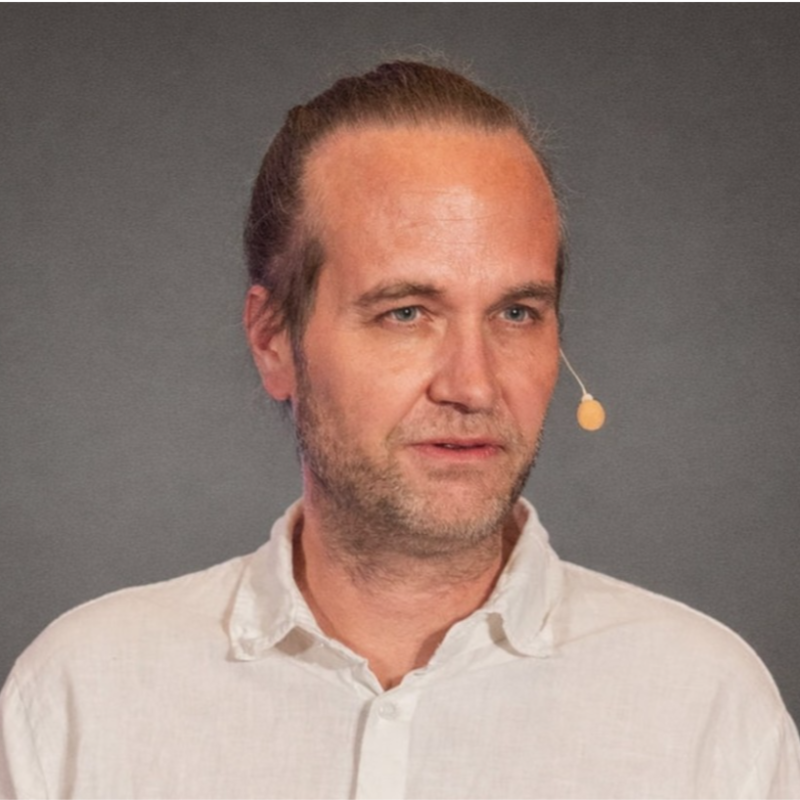
Frank Hepworth
We also dig into institutional adoption, regulation, and why ETFs can create false confidence. Institutions often wait for regulated products to reduce litigation risk, not because they cannot buy spot Bitcoin. But following institutional behavior can be costly: the data point raised is institutions buying the top and selling the bottom through ETFs, a “rookie” pattern in a cyclical market. For investors building a crypto portfolio, this supports a more intentional approach to risk management and active strategy, rather than assuming dollar-cost averaging works the same way it does for the S&P 500. Finally, trust remains a major barrier: scams, rug pulls, and aggressive marketing thrive on hype. Self-custody alone does not prevent mistakes if you are persuaded to send funds away, so due diligence, team verification, and credible third-party audits become essential habits as on-chain wealth management goes mainstream.
CONNECT WITH FRANK:
Want to see more of my articles in Google? Add webdrie.net as a preferred source.